What If Your Food Delivery App Could Help You Grow?
Have you ever thought that ordering dinner could do more than just fill your stomach? What if the app you use to skip cooking was quietly helping you learn, grow, and even discover new passions? It sounds surprising, but today’s food delivery apps can do more than bring meals—they can become unexpected tools for personal growth. Let’s explore how something as simple as choosing dinner can spark curiosity, build knowledge, and even help you cultivate a meaningful hobby. It’s not about reinventing your routine. It’s about seeing it in a new light.
The Hidden Potential in Everyday Choices
Every day, we make hundreds of small decisions—what to wear, what to eat, how to spend our time. Most of them feel automatic, almost invisible. But what if those tiny choices weren’t just about convenience? What if they were shaping who you’re becoming? Think about your food delivery app. You open it when you’re tired, busy, or just don’t feel like cooking. It’s fast. It’s easy. But beneath that simplicity, something subtle is happening. Each time you scroll through menus, you’re not just picking dinner—you’re being exposed to new flavors, ingredients, and cuisines. Maybe you’ve never tried harissa, but now you see it listed in a roasted vegetable bowl. Or you notice 'tamarind glaze' on a salmon dish and wonder, What does that taste like?
These aren’t just menu items—they’re tiny invitations to learn. And over time, those little sparks of curiosity can add up. You might not realize it, but your food app is quietly expanding your world. It’s showing you how people eat in different cultures, how ingredients are combined, and how food tells a story. That bowl of laksa from a Malaysian kitchen? It’s not just spicy and creamy—it’s a reflection of history, migration, and local tradition. And every time you order it, you’re taking a small step into that world.
Here’s the thing: we often think of personal growth as something big. We imagine signing up for a course, reading a stack of books, or making a dramatic life change. But real growth often starts in the smallest moments. When you choose to explore instead of just click 'repeat last order,' you’re making a quiet but powerful choice—to stay curious. And curiosity, more than any app or gadget, is the real engine of learning. So the next time you open your delivery app, pause for a second. Ask yourself: What could I learn from this meal? You might be surprised by how much is waiting to be discovered.
From Mindless Ordering to Mindful Exploration
Let’s be honest—most of us don’t open our food apps with a learning mindset. We’re hungry. We’re tired. We want something quick. And that’s completely okay. But what if, just once a week, you used that moment not just to feed your body, but to feed your mind? Imagine shifting from scrolling mindlessly to scrolling with purpose. Instead of just tapping 'order again,' you pause and ask: What is this dish made of? Where did it come from? Why does it taste so good?
This small shift—from passive to active—can change everything. Many food delivery platforms now include detailed descriptions, chef bios, and ingredient sourcing information. Some even highlight seasonal items or traditional preparation methods. These aren’t just marketing details—they’re learning opportunities. For example, you might see that the miso soup you love is made with locally fermented soybean paste. That’s a chance to look up how miso is made, or why fermentation matters for gut health. Or maybe the menu mentions 'hand-pulled noodles'—which could lead you down a rabbit hole of videos showing how they’re actually made, one stretch at a time.
I remember a friend who kept ordering the same Korean bibimbap. One day, she read the dish description and noticed it included 'gochujang,' a spicy fermented chili paste. She’d never heard of it. So she Googled it, found a recipe, and bought a jar at the grocery store. Fast forward six months, and she’s making her own bibimbap at home—and teaching her daughter how to mix the rice with the sauce 'just right.' That all started with a single question sparked by a menu item.
The beauty of this kind of learning is that it doesn’t require extra time. It happens in the gaps—while you’re waiting for your food to arrive, while you’re deciding what to order, or even while you’re eating. You don’t need to become an expert. You just need to stay open to the idea that every meal could teach you something. And the app? It’s not just a tool for delivery. It’s your starting point for discovery.
Building a Personal Knowledge System Around Food
Now, let’s talk about what happens when those little moments of curiosity start to add up. You’ve learned about gochujang. You’ve tried a dish with preserved lemon. You’ve noticed how often sumac shows up in Middle Eastern cuisine. At some point, you might realize: I’m actually learning about food. But how do you keep track of it all without feeling overwhelmed?
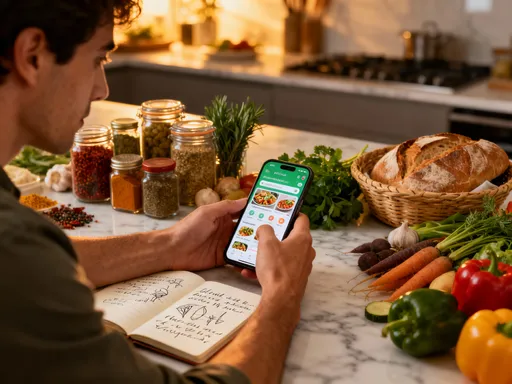
The answer isn’t a complicated system or a fancy app. It’s something much simpler: start saving what you learn. Think of it like building a personal food journal—but in a way that fits your life. You don’t need to write essays. A few notes on your phone work just fine. When you try a new dish, take a screenshot of the menu. Add a quick voice memo: 'Loved the smoky flavor in that eggplant dip—was that paprika or cumin?' Or just type a line in your notes app: 'Order again: turmeric lentil soup, great for cold days.'
Over time, this collection becomes more than a list of meals. It becomes a map of your curiosity. You start to see patterns. Maybe you notice you keep going back to dishes with bright, citrusy flavors. Or you realize you’re drawn to meals with complex spice blends. That’s not just about taste—it’s about discovery. And when you can see your own journey laid out, it becomes easier to take the next step: trying something new at home.
Some women I know use this approach in creative ways. One keeps a 'flavor journal' in a simple notebook, rating dishes by warmth, acidity, or richness. Another uses a shared family calendar to mark 'new food nights'—a weekly slot where they try a dish from a different country. The kids love it. They vote on the destination, look up fun facts, and even help pick the meal on the app. It’s not just about eating—it’s about learning together, one dinner at a time.
The key is to keep it light. This isn’t homework. It’s not about memorizing facts or being perfect. It’s about creating a space where your curiosity can grow. And the best part? You’re already doing the hard part—living your life. All you’re adding is a little attention. A little intention. And that’s enough to build something meaningful.
Turning Discovery into a Real Hobby
Here’s where it gets exciting. All those little discoveries—the ingredients you’ve learned about, the dishes you’ve saved, the flavors you’ve noticed—start to build momentum. And at some point, you might feel a quiet pull: What if I tried making this myself?
This is the moment when passive learning becomes active creation. And it’s easier than you think. You don’t need a professional kitchen or years of experience. You just need the confidence to try. And guess what? That confidence often comes from the very app you’ve been using. Because every time you ordered that Thai curry, you got a little more familiar with the taste. You know what it should smell like. You know how creamy the coconut milk should be. That’s real knowledge. And it’s a powerful foundation for cooking at home.
Start small. Pick one dish you love and look up a simple recipe. Maybe it’s that Moroccan tagine with apricots and almonds. Or the Japanese ramen with soft-boiled eggs. Search for a beginner-friendly version—many food blogs and YouTube channels specialize in easy, authentic recipes. Buy the ingredients one at a time. Try the dish on a low-pressure night—no guests, no expectations. Just you, your kitchen, and a little curiosity.
I’ll never forget the first time I tried making shakshuka after ordering it for months. I was nervous. What if it didn’t taste the same? What if I burned the tomatoes? But I followed a simple recipe, used the spices I’d learned about, and—surprise—it was delicious. Not perfect, but full of flavor. And my family didn’t care about perfection. They cared that I made it. That moment sparked something in me. Now, cooking has become my weekend ritual—a time to slow down, focus, and create something with my hands.
And it doesn’t have to stop at cooking. Some women turn their food journey into a blog, sharing their favorite finds and homemade versions. Others join local cooking classes or online communities. One friend started a 'spice club' with her neighbors—each month, they explore a new spice, share recipes, and host a potluck. These aren’t grand achievements. They’re joyful experiments. And they all began with a simple question: What if I tried making this?
Strengthening Family and Social Connections Through Shared Learning
One of the most beautiful things about food is that it brings people together. And when you start learning through your food app, that experience doesn’t have to be just yours. It can become a way to connect—with your kids, your partner, your friends.
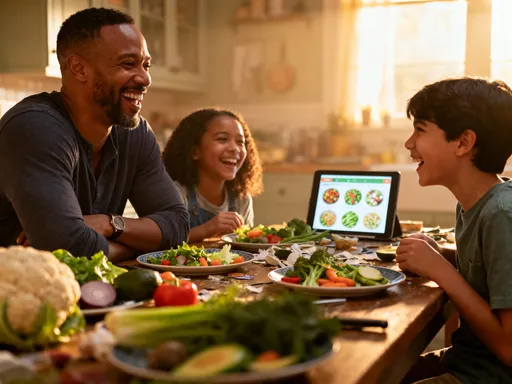
Think about how often family dinners happen without real conversation. Everyone eats, checks their phone, and moves on. But what if dinner became a moment of shared discovery? You could say to your kids: 'Tonight, we’re trying a dish from Ethiopia. Let’s look up where it’s from and what makes it special.' Or you could challenge your partner: 'Can you guess what this spice is just by the smell?' These small moments create connection. They turn meals into experiences.
I know a mom who started 'World Dinner Nights' with her two daughters. Every Friday, they pick a country, explore its cuisine on the app, and then either order or cook a meal together. Last month, it was Peru. They learned about quinoa, tried ají sauce, and even made a simple version of causa—layered potato casserole. The girls helped mash the potatoes, taste-test the filling, and decorate the top with avocado slices. It wasn’t just dinner. It was a family project. A memory in the making.
And it’s not just for families. Imagine hosting a 'flavor tasting night' with friends. Order three different versions of the same dish—say, green curry—and compare them side by side. Talk about the differences. Laugh about the spiciest one. Share what you’ve learned. These gatherings aren’t fancy. They’re warm, relaxed, and full of real conversation. They remind us that learning doesn’t have to be solitary. It can be social. It can be fun.
When we share our curiosity, we deepen our relationships. We show each other that we’re still growing, still exploring, still excited by new things. And that’s a powerful message—especially for our kids. It tells them that learning doesn’t stop when school ends. It’s a lifelong journey. And it can start with something as simple as dinner.
How Technology Supports Continuous Growth
Here’s a truth we don’t talk about enough: technology isn’t the enemy of personal growth. It’s a tool. And like any tool, it depends on how we use it. We can scroll mindlessly for hours, or we can use the same devices to learn, create, and connect.
The food delivery app is just one example. But the mindset it encourages—curiosity, intention, small steps—can apply to so much more. Think about your shopping app. Could you use it to learn about sustainable brands? Your travel app—could it become a way to explore history and culture before your next trip? Even your music app could introduce you to artists from different countries, opening doors to new languages and traditions.
The key is awareness. It’s about asking: How am I using this? Could this moment be more than just convenience? When you start seeing your apps not just as tools for efficiency, but as gateways to learning, everything changes. You begin to treat your screen time as an opportunity—not a distraction.
And the best part? You don’t need to download anything new. You don’t need to spend more money or add more to your schedule. You just need to shift your perspective. That app you already use to save time? It can also help you grow. You just have to decide to let it.
Making Growth Feel Natural, Not Forced
Let’s face it—most of us don’t have extra time. Between work, family, and all the little things that fill our days, adding one more 'should' to the list can feel exhausting. That’s why the real power of this approach lies in its simplicity. You’re not being asked to change your life. You’re being invited to see it differently.
Growth doesn’t have to mean big goals or dramatic changes. It can happen in the quiet moments—while you’re choosing dinner, waiting for your food, or sharing a meal with loved ones. It’s not about perfection. It’s about presence. It’s about asking, just once in a while: What can I learn from this?
And when you do, something shifts. You start to see your routines not as chores, but as opportunities. You realize that you don’t need a special program or a weekend retreat to grow. You already have everything you need—your curiosity, your phone, and your daily life.
So the next time you open your food delivery app, don’t just think about dinner. Think about discovery. Let that meal be more than fuel. Let it be a conversation starter, a learning moment, a step toward the person you’re becoming. Because growth isn’t something that happens far away. It’s happening right here, one choice at a time.