After Relying on 3 Motion Sensors for 8 Months: This Is How My Family Finally Felt Safe at Home
Living in a quiet neighborhood doesn’t always mean feeling safe. For months, I struggled with worry—was someone near the back door? Did the kids leave the garage open again? I tried checking constantly, but anxiety lingered. Then I brought in motion detection devices, not as high-tech fixes, but as quiet helpers. Over time, they didn’t just alert me—they changed how I *understood* my home. This is how a simple tech shift brought real peace, deeper awareness, and a surprising boost in confidence for all of us.
The Constant Hum of Unseen Worries
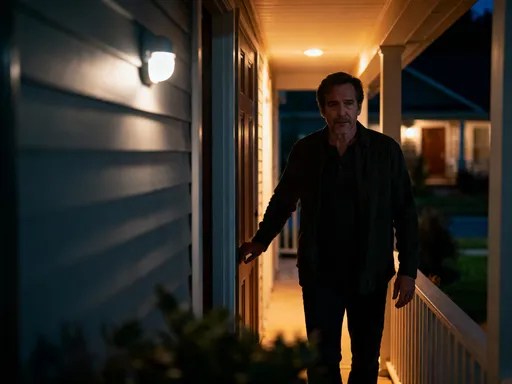
It’s funny how the safest places can still feel uncertain. We live in a friendly town, the kind where neighbors wave from their porches and kids ride bikes until the streetlights come on. Crime rates are low, the police do regular patrols, and nothing dramatic has ever happened. Yet, for a long time, I carried this quiet hum of worry—like a background app running in my mind, draining my energy. It wasn’t fear of a break-in. It was something subtler: the doubt. Did I lock the side gate after bringing in the groceries? Is that creak on the porch just the wood expanding, or something more? I’d wake up at 2 a.m., heart tapping against my ribs, wondering if the garage door was still open.
And it wasn’t just me. My husband admitted he’d do a quick lap around the house before bed, checking doors and windows like a nightly ritual. Our teenage daughter started leaving her bedroom light on because she didn’t like walking through the dark hallway late at night. Even our dog seemed more alert, ears pricked at the smallest sound. The house felt less like a sanctuary and more like a puzzle I was constantly trying to solve. I wasn’t living in fear, but I wasn’t fully at ease either. That low-level anxiety seeped into everything—my sleep, my focus at work, even how I interacted with my family. I’d snap at small things, not because I was angry, but because I was tired. Tired of monitoring, tired of wondering, tired of carrying that invisible weight.
What I didn’t realize then was that safety isn’t just about what happens outside your door. It’s about how you *feel* inside your home. And for us, that feeling had shifted from comfort to caution. I started looking for ways to restore the balance—not with something extreme, not with cameras watching every corner or a loud alarm system that might scare us more than protect us. I wanted something gentle, something that didn’t add to the noise but helped me listen more clearly. That’s when I first heard about using simple motion sensors not for security alone, but for awareness. At first, it sounded too basic. But looking back, it was exactly what we needed—a quiet way to reconnect with our home, one small movement at a time.
Why Motion Sensors Felt Like Overkill—At First
When the idea first came up, I’ll admit—I laughed. Motion sensors? Weren’t those for office buildings or spooky basement entrances in movies? I pictured red laser beams and dramatic beeping, not something that belonged in our cozy, lived-in house. The thought of installing tech that ‘spied’ on our movements felt excessive, even a little paranoid. “We’re not a fortress,” I told my sister over coffee. “We’re just a family trying to get through the week without losing a shoe or forgetting to turn off the oven.”
There was also the privacy question. I didn’t want to feel watched, even by my own devices. And what about the kids? Would they feel like they were being monitored every time they got up for a glass of water? I worried it would create tension instead of relief. Plus, I’d seen those complicated setup videos online—wires, apps, syncing issues. The last thing I needed was another gadget that required a manual and a tech support call. And cost? I wasn’t ready to invest in something that might end up as another dusty box in the closet.
But then my neighbor, Linda, mentioned she’d installed a few simple motion detectors in her home—not because she was afraid, but because she wanted to *understand* her space better. “It’s not about catching intruders,” she said. “It’s about knowing when the laundry room light turns on at 3 a.m. so I can check if my son left the dryer running again.” That clicked. It wasn’t surveillance. It was awareness. She wasn’t using it to watch people—she was using it to manage her home more smoothly, to catch small things before they became big ones.
That conversation shifted my perspective. Maybe motion sensors weren’t about fear. Maybe they were about clarity. Instead of seeing them as tools for danger, I started thinking of them as helpers—like a gentle nudge from the house itself. “Hey, the back door just moved. Want to check?” Or “Someone’s in the hallway. Lights on?” It wasn’t about control. It was about connection. And that made all the difference. I realized I didn’t need a high-security system. I just needed a little more insight into the rhythms of our home. So, with a mix of curiosity and hope, I decided to give it a try—not as a fix for fear, but as a step toward peace.
Choosing the Right Sensors for Real Life
Once I decided to try motion sensors, I didn’t rush out and buy the first thing I saw. I wanted something that fit *our* life—not a one-size-fits-all tech solution, but something that worked quietly in the background. I spent a few evenings researching, but I made a rule: no jargon, no specs I couldn’t understand, and nothing that required a wiring job or a subscription fee. I wanted plug-and-play simplicity. Battery-powered, easy to mount, and intuitive to use. Most importantly, I wanted them to feel like part of the home, not an add-on.
I ended up choosing three basic motion detectors—small, discreet units that blended into the walls. No cameras, no recording, just motion alerts and light triggers. The first went by the back door—the one we use most but often forget to double-check. I’ve lost count of how many times I’ve gone to bed wondering, “Did I lock it?” That little sensor would let me know if anything moved near it after hours. The second I placed in the upstairs hallway—the dark stretch between the kids’ rooms and the bathroom. That was a tripping hazard at night, and I knew automatic lighting could help. The third went near the garage entrance inside the house. That door gets used constantly—by kids, by delivery people, by friends dropping by—and it’s easy for it to be left ajar.
Installation took less than an hour. I used the adhesive strips that came with them—no tools, no drilling. I just wiped the wall, stuck them on, and synced them to a simple app on my phone. The whole thing felt almost too easy. I remember standing in the hallway afterward, looking at the small white disc on the wall, half expecting it to do something dramatic. It didn’t. It just sat there, silent. But that silence was reassuring. It wasn’t intrusive. It wasn’t loud or demanding. It was just… present.
That night, as I tucked in the kids, I told them about the new sensors. “They’re not here to watch you,” I said. “They’re here to help us take care of the house together.” My daughter asked if it meant we were being “spied on.” I laughed and said, “Only if you count the house looking out for us.” We made a game of it—seeing who could remember to close the garage door without the light turning on. And just like that, it stopped feeling like tech and started feeling like part of our routine. The real test, though, would come in the days ahead—when the alerts started coming in, and we had to learn what they really meant.
The First Alerts: From Panic to Pattern Recognition
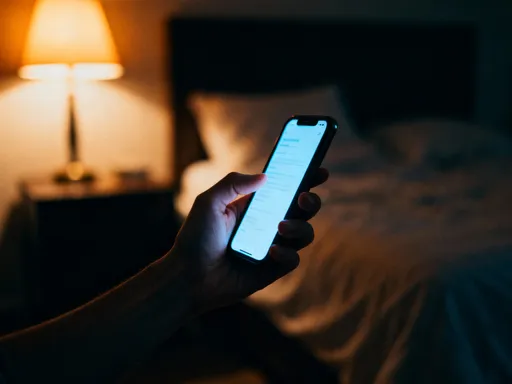
The first few nights were… intense. I had the app notifications turned on, and every little movement set off a ping. At 11:30 p.m., the hallway sensor triggered. My heart jumped. Who was up? I grabbed my phone, half-expecting to see a shadowy figure—but it was just our cat, Mochi, doing her usual midnight patrol. Two hours later, the back door sensor went off. I sat up in bed, pulse racing. Had someone tried the handle? I crept downstairs, only to find the wind had blown a tree branch against the door. It wasn’t an intruder. It was nature.
At first, I felt silly. Was I really this jumpy? But then I realized something: the sensors weren’t creating anxiety. They were revealing it. My body was reacting to the *possibility* of danger, even when there wasn’t any. The tech was neutral. It just reported movement. But my mind was filling in the blanks with worst-case scenarios. That was the real issue—not the open door or the creaking porch, but the stories I was telling myself in the dark.
Then, slowly, things started to shift. I began to recognize patterns. The hallway light came on every night at 6:07 a.m.—that was me, heading to the kitchen before anyone else was up. The garage sensor triggered at 3:15 p.m. on school days—our daughter coming home with a friend. The back door moved around 8 p.m. when my husband took the dog out. These weren’t threats. They were rhythms. The house was telling me its story, one motion at a time.
Instead of dreading the alerts, I started looking forward to them. They weren’t warnings—they were check-ins. “Someone’s in the kitchen.” “The dog’s up.” “The garage is secure.” The panic faded, replaced by a quiet sense of knowing. I didn’t need to check every door. I could trust the system to let me know if something was out of place. And when nothing happened—when the night passed in silence—I could rest easier. The absence of motion became as meaningful as the presence of it. The sensors didn’t eliminate uncertainty. They transformed it. They turned fear into familiarity, and noise into narrative. And that made all the difference.
How Awareness Built Confidence—For Everyone
What surprised me most wasn’t how *I* changed—but how the whole family did. It wasn’t just about me feeling safer. It was about all of us becoming more aware, more connected, more confident in our home. My daughter, who used to leave the garage door open without thinking, now makes a point of closing it. “I don’t want the light to come on,” she says. It’s not fear that drives her—it’s pride. She likes knowing she’s part of keeping things secure. And when she *does* forget, the soft glow in the garage reminds her without anyone having to nag.
My husband, who used to do his nightly rounds, now sleeps through the night. “If something’s wrong, the app will tell us,” he says. He’s not dismissing responsibility—he’s delegating it to a system that works 24/7. And I’ve noticed he’s more relaxed during the day, too. That constant background stress? It’s lighter now. Even our visiting mother-in-law, who’s cautious about new technology, has come to appreciate the hallway light. “I don’t have to fumble for the switch in the dark anymore,” she said after her last stay. “It feels like the house is looking out for me.”
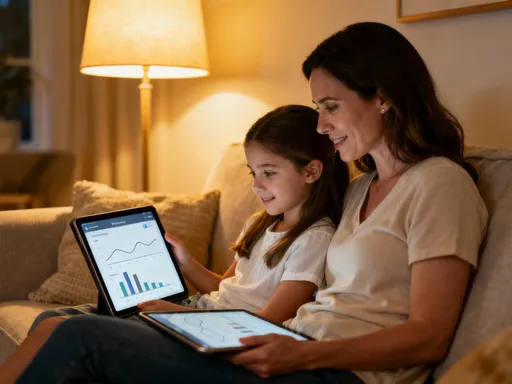
There’s a new kind of communication happening now—quiet, unspoken, but meaningful. “I heard the kitchen light come on—someone’s up!” one of us will say in the morning. Or, “The garage hasn’t moved since 6 p.m.—did you leave it closed?” It’s not surveillance. It’s shared awareness. We’re not being watched. We’re being *seen*—by each other, and by the home we share. And that creates a sense of teamwork. We’re not just living in the house. We’re tending to it, together.
The confidence this brings is deeper than I expected. It’s not just about knowing the doors are locked. It’s about feeling capable. When the system alerts us to something unusual—like motion at 2 a.m. when everyone should be asleep—we don’t panic. We respond. We check. We talk. We handle it. That sense of control, of being able to act instead of just worry, is powerful. It’s not that we’re fearless. It’s that we’re prepared. And that makes all the difference in how we move through our days—and our nights.
Beyond Safety: Unexpected Gains in Daily Life
What I didn’t expect was how much these sensors would improve our daily life in ways that had nothing to do with security. They became helpers in the truest sense—small nudges that made everything a little smoother, a little kinder, a little more efficient. One of the biggest changes? Energy use. Before, lights would stay on for hours—upstairs hallway, laundry room, garage—because someone forgot to turn them off. Now, they shut off automatically after ten minutes of no motion. I’ve noticed a real difference in our electric bill, but more than that, I like knowing we’re not wasting power.
Then there are the little accidents we’ve avoided. My son used to trip on the stairs at night because he wouldn’t turn on the light. Now, the hallway sensor triggers the overhead light as soon as he steps out of his room. “It’s like the house wakes up with me,” he said. I’ve even caught myself benefiting—walking to the kitchen in the dark, only to have the path lit before I reach for the switch. It’s a small thing, but it makes nighttime feel safer and more comfortable for everyone.
And there are moments of pure practical magic. Last month, I couldn’t find my phone. I’d left it somewhere after dinner, and it wasn’t on the charger. Then—ping—the hallway light turned on. “Someone’s in the hallway,” the app said. I ran upstairs and found my daughter picking up her jacket. “Did you see my phone?” I asked. She pointed to the bench under the coat rack. “It was buzzing when I walked by.” The sensor didn’t find the phone, but it led me to the right place at the right time. Moments like that make me smile. It’s not just about alerts. It’s about attention. The sensors help us pay better attention—to our space, to each other, to the little things that matter.
They’ve even improved our communication. Instead of shouting, “Who left the garage door open?!” we now say, “Hey, the app says the garage moved—can someone check?” It’s calmer, kinder, more collaborative. We’re not blaming. We’re problem-solving. And that shift in tone has rippled into other parts of our lives. We’re more patient, more present, more willing to help. The tech didn’t change our relationships—but it gave us a new way to connect.
Peace of Mind Isn’t Found—It’s Built, One Motion at a Time
Looking back, I realize peace of mind isn’t something you find fully formed. It’s not a product you buy or a switch you flip. It’s something you build—slowly, quietly, with small choices that add up. For us, those choices started with three simple motion sensors. They didn’t make our home perfect. They didn’t eliminate every worry. But they gave us something better: understanding. They helped us see our home not as a place of potential danger, but as a living, breathing space with its own rhythms and stories.
The real gift wasn’t the alerts. It was the awareness. It was learning to trust what we could see instead of fear what we couldn’t. It was knowing that when something unusual happened, we’d know—and we’d be ready. That sense of capability, of quiet confidence, has changed how we live. We move through our days with a little more ease, a little more grace. We sleep a little deeper. We connect a little more.
I used to think the most powerful tech was the flashy kind—the smart speakers, the voice assistants, the high-resolution cameras. But I’ve learned that the most meaningful technology isn’t the one that impresses—it’s the one that integrates. The kind that doesn’t demand your attention but gives it back. These motion sensors don’t announce themselves. They don’t buzz or beep unless something matters. They just… work. They help us feel present. They help us feel safe. They help us feel like we belong.
And maybe that’s the greatest comfort of all—not that nothing bad will ever happen, but that we’re paying attention. That we’re here. That we’re aware. That we’re together. In a world that often feels loud and uncertain, that quiet sense of knowing is everything. It’s not about fear. It’s about care. And in the end, that’s what makes a house a home.