From Risky Habits to Road Guardians: How Quiet Tech Keeps Your Family Safe
Driving used to feel like a private moment—just you, the road, and your thoughts. But what if your car could gently watch over you, like a co-pilot who knows when you're tired, distracted, or rushing too fast? This isn’t about judgment. It’s about protection. Today, smart driving technology quietly learns your habits, not to correct you, but to keep you and your loved ones safer. I remember the moment I realized how much I needed it: a near-miss after a long day, my hands gripping the wheel a little too late. That’s when I learned—safety isn’t just about big rules. It’s about the small, quiet things that keep us from tipping over the edge. Let’s talk about how this invisible guardian works—and why it might already be the most important safety feature you’ve never noticed.
The Moment Everything Changed: A Close Call That Made Me Listen
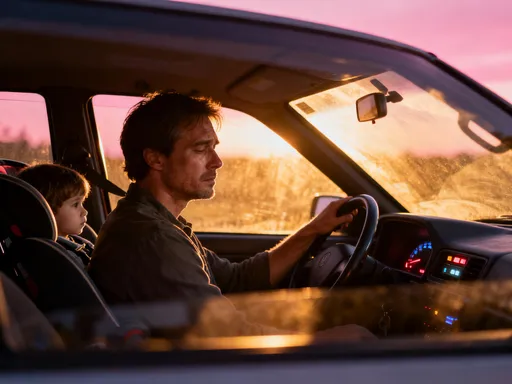
I’ll never forget that Tuesday evening. It was just past 6:30, the sky turning that soft gray-blue that means rush hour is winding down but the stress hasn’t. My youngest had called from school—her science project had been moved up, and she needed supplies by morning. I was already running late, and now I had to detour to the craft store. My mind was racing: lists, deadlines, what to make for dinner. I don’t even remember passing the exit I usually take. Then—without realizing it—I drifted. Just slightly. A shoulder rumble strip jolted me back. My heart slammed into my ribs. I hadn’t even seen the lane marker. I was awake. I was driving. But I wasn’t present. That moment didn’t end in disaster, but it could have. And that’s what haunted me. Not the near-accident itself, but how ordinary it felt. No speeding. No reckless turn. Just exhaustion, distraction, and a few seconds where my focus slipped. I started wondering: could something have warned me? Could my car have known I was too tired, too overwhelmed, too checked out? That question led me to something I’d overlooked for years—driving behavior technology. Not cameras watching me, not someone grading my performance. But a quiet, smart system that notices patterns and helps keep me grounded. And honestly? It’s changed how I drive—and how I feel behind the wheel.
What Is Driving Behavior Analysis—And Why It’s Not as Techy as It Sounds
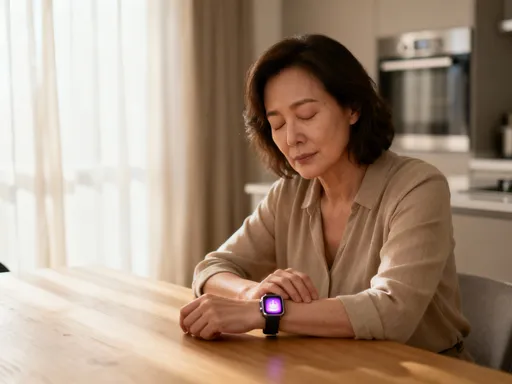
You’ve probably heard terms like ‘telematics’ or ‘driving analytics’ and thought, ‘That sounds like something for race car drivers or tech geeks.’ But the truth is, it’s much simpler—and much more personal. Think of it like a fitness tracker, but for your driving. Just like your watch might notice you’ve been sitting too long or your sleep is off, this technology tracks how you drive: your speed, how smoothly you brake, whether you’re accelerating hard, and even how often you use your phone while moving. But here’s what it doesn’t do: it doesn’t record video. It doesn’t listen to your conversations. It doesn’t track your location like a GPS stalker. It’s not about spying. It’s about sensing patterns—just like a good friend might say, ‘Hey, you seem stressed today,’ but in a way that’s helpful, not intrusive. Most modern cars already have these sensors built in. So do many insurance apps you might already have on your phone. And they’re not doing anything flashy. They’re just learning—quietly, gently—what your normal driving looks like. That way, when something’s off—maybe you’re braking harder than usual, or driving late when you’re typically home—they can send a soft alert. Not a scolding. Just a nudge. A reminder that you matter, and so does everyone in the car with you.
The Hidden Dangers of “Normal” Driving (And How Tech Sees What We Miss)
We all think we’re careful drivers. We wear seatbelts. We know not to text and drive. But the real risks often come from habits so routine we don’t even notice them. Like checking the phone for just a second when a message pops up. Or driving home late after a long day, even when we’re exhausted. Or reacting quickly to traffic with sharp braking and sudden lane changes. These aren’t reckless choices—they’re human ones. And that’s exactly why they’re dangerous. Because they feel normal. But over time, these small behaviors add up. And here’s the thing: we’re not great at seeing our own patterns. We remember the big mistakes, but not the little slips. That’s where technology helps. It doesn’t judge. It just observes. And what it sees can be surprising. For example, one friend discovered she consistently drove faster on weekday evenings—especially after work calls with her boss. Another noticed she braked hardest on rainy afternoons, usually right after picking up the kids. These weren’t signs of bad driving. They were signs of stress, fatigue, distraction—emotional states that affect how we handle the wheel. The tech doesn’t say, ‘You’re doing it wrong.’ It says, ‘Hey, this pattern shows up a lot. Want to try something different?’ And that small awareness can lead to big changes. Smoother braking. Slower acceleration. Fewer glances at the phone. Not because you’re being watched, but because you’re being supported.
How It Protects More Than Just You: The Family Factor
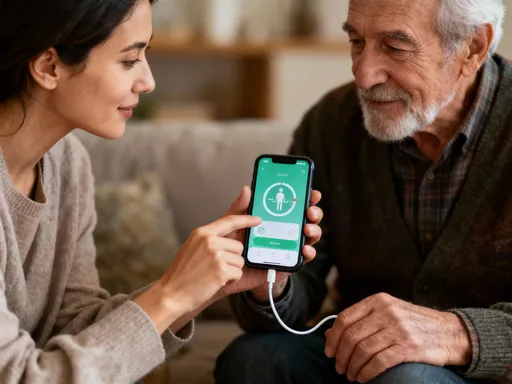
Here’s what really made me take this seriously: it’s not just about me. It’s about the people I carry with me every day. My kids in the backseat, laughing over snacks. My husband, who texts me when I’m late. My mom, who worries every time I drive to her town. I realized that every time I get behind the wheel, I’m not just responsible for myself—I’m carrying their peace of mind, too. And that changes everything. Driving behavior tech isn’t just a personal tool. It’s a family safety net. Think about your teen’s first solo drive. You’ve taught them the rules, but they’re still learning. With permission, many apps let you see gentle feedback—like whether they’re speeding or braking too hard—not to control them, but to open conversations. ‘I noticed your trip home was a little fast today. Everything okay?’ It’s not about nagging. It’s about caring. Or imagine your aging parent commuting longer distances. They’re independent, but you worry. Some systems can alert a family member if a usual drive takes much longer than expected—without tracking every move, just checking in on safety. And for families with shared cars, the tech can help everyone drive a little better, a little calmer. It’s not about perfection. It’s about protection. And when your kids are asleep in the back, or your spouse is waiting for you at home, that protection means everything.
Making It Work for You: Simple Steps to Start Without Feeling Watched
I get it—turning on a feature that ‘watches’ your driving can feel a little uncomfortable at first. Like someone’s grading your performance. But here’s the truth: you’re in control. This isn’t mandatory. It’s optional. And you decide how much—or how little—to use it. Most of the time, it’s already there, quietly running in the background of your car’s system or insurance app. All you have to do is turn it on. Start simple. Open your car’s settings or your insurance provider’s app. Look for something like ‘driving feedback,’ ‘safety insights,’ or ‘trip scoring.’ Tap it on. You don’t have to change anything else. Just let it learn what your normal driving looks like. After a few trips, you might get a gentle alert: ‘You braked hard 3 times today,’ or ‘You drove over 70 mph for 12 minutes.’ But it’s not a punishment. It’s information. And you get to decide what to do with it. Maybe you focus on one thing—like smoother braking—just for a week. Or you challenge yourself to keep your phone down during short trips. The key is to make it feel personal, not pressured. And if you’re sharing a car, try talking about it together. ‘Hey, I turned on this safety thing—want to try it with me? We could see who drives the smoothest this week.’ Make it light. Make it helpful. But most of all, make it yours. This isn’t about being perfect. It’s about being aware. And awareness is the first step toward safer, calmer drives for everyone.
Beyond Safety: How Better Driving Saves Money and Calm
Here’s something I didn’t expect: better driving doesn’t just keep us safer—it also saves money and reduces stress. I know it sounds too good to be true, but it’s real. Many insurance companies offer discounts—sometimes up to 30%—for drivers who use behavior-tracking apps and show consistent, safe habits. That’s not a small number when you’re budgeting for groceries, school supplies, or medical co-pays. And it’s not about being perfect. It’s about showing effort. Even small improvements—like fewer hard brakes or less late-night driving—can add up to real savings. But the financial benefits are only part of the story. The emotional ones matter just as much. Have you ever arrived home from a drive feeling tense, your shoulders tight, your mood off? I have. And I started to notice something: on days when I drove more smoothly—thanks to those gentle alerts—I arrived home calmer. Less road rage. Fewer white-knuckle moments. Just a quieter mind. And that calm doesn’t just stay with me. It spreads. To my kids. To my partner. To the evening as a whole. Plus, smoother driving uses less fuel. You don’t have to change your route or skip errands. Just driving a little more steadily can improve gas efficiency by 15–20%. That’s fewer stops at the pump, more money in your pocket, and one less thing to worry about. When you look at it this way, driving behavior tech isn’t just a safety tool. It’s a lifestyle helper—one that supports your wallet, your mood, and your family’s well-being.
The Quiet Revolution: Why This Might Be the Future of Caring Technology
When I first heard about driving behavior analysis, I thought it sounded a little invasive. Like Big Brother in my minivan. But the more I’ve used it, the more I see it differently. It’s not about surveillance. It’s about support. It’s technology that doesn’t demand your attention—but gives you peace of mind. Think about smoke detectors. We don’t think of them as ‘watching’ us. We think of them as protecting us. Same with seatbelts. We don’t feel judged when we buckle up. We feel safer. Driving behavior tech is becoming part of that same quiet safety net. It’s not flashy. It doesn’t beep constantly. It doesn’t shame you. It just learns, adapts, and helps—like a co-pilot who knows you well enough to say, ‘Hey, maybe slow down a little,’ without making you feel small. And this is just the beginning. We’re moving toward a world where technology doesn’t distract us with notifications and alerts, but defends us in quiet, meaningful ways. It’s not about replacing human awareness. It’s about enhancing it. Because even the most careful among us have off days. We’re tired. We’re stressed. We’re distracted by life. And in those moments, having a little help—a soft reminder, a gentle nudge—can make all the difference. So if you’ve been hesitant, I get it. But I also want to say this: your car isn’t judging you. It’s looking out for you. For your family. For the quiet, precious moments that happen after the drive is over. And sometimes, the most powerful technology isn’t the one that shouts—it’s the one that whispers, ‘You’ve got this. I’ve got you.’