It’s Not Just a Button: How Emergency Tech Gives Me Real Peace Every Day
You know that moment when your heart skips a beat—your kid doesn’t answer their phone, or your parent doesn’t respond to a text? I used to spiral. My mind would race: Did something happen? Should I call the hospital? Is she okay? That tiny silence used to feel like a chasm. But now, thanks to quiet tech that works in the background, I move through those moments with breath, not panic. It’s not magic. It’s not even flashy. But it’s changed how I live—calmer, closer, more present. This is what real safety feels like. And it’s not about fear. It’s about love, connection, and the deep comfort of knowing help is just a signal away.
The Quiet Anxiety We Don’t Talk About
We don’t always talk about it, but so many of us carry a quiet hum of worry in the back of our minds. It’s not dramatic. It doesn’t come with sirens or flashing lights. It’s the pause when your teenager is ten minutes late coming home from practice. It’s the silence after you text your mom and get no reply. It’s the way your chest tightens when your husband mentions he’s feeling dizzy but insists he’s fine. These moments don’t make headlines, but they wear us down. Over time, that low-level anxiety can steal our peace, our sleep, even our joy in the everyday.
I remember one evening, my daughter had gone to a friend’s house after school. She was only supposed to stay for an hour. By 7 p.m., she still hadn’t answered my calls. I told myself she was just having fun, her phone was on silent. But my hands were shaking. I was three seconds from calling every parent on the street when she finally texted: “Mom, we ordered pizza and lost track of time. Can I stay till 8?” Relief washed over me like a wave. But then I thought—what if it hadn’t been that? What if she’d fallen? What if no one had known where she was?
This isn’t about being overprotective. It’s about loving deeply. When we care for people, we worry. And that’s okay. But what if we didn’t have to carry that weight alone? What if there was a gentle, invisible way to know someone is safe—without calling, without hovering, without turning love into surveillance? That’s where technology comes in, not as a cold machine, but as a soft whisper of reassurance. It doesn’t erase risk. Nothing can. But it can give us space to breathe, to trust, to live.
Beyond Panic Buttons: What Modern Emergency Assistance Really Does
When I think of emergency tech, I used to picture those old TV commercials—someone on the floor yelling, “Help! I’ve fallen and I can’t get up!” It felt so dramatic, so last-century. But today’s tools are nothing like that. They’re not loud. They’re not clunky. They’re woven into the things we already use: watches, phones, even voice assistants. And they work quietly, like a friend keeping an eye out while you’re busy living.
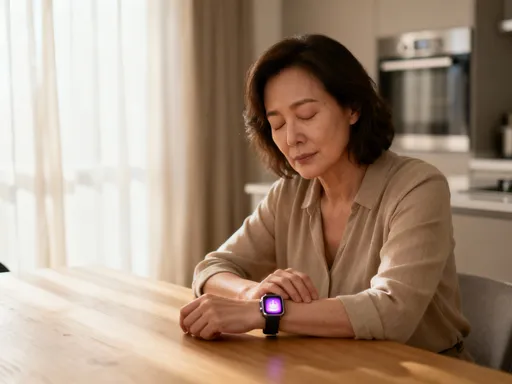
Take fall detection, for example. Many smartwatches now have sensors that can tell when someone takes a hard fall—especially important for older adults living alone. If the watch senses a fall and the person doesn’t move or respond within a set time, it can automatically send an alert to emergency contacts or even call for help. No button to press. No panic. Just a quiet signal that says, “Something might be wrong.”
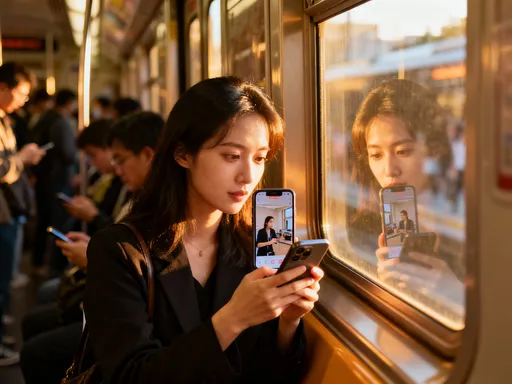
And it’s not just for falls. Some apps can track location in real time—only when needed—so you can see where your teenager is on the way home from a late shift. Others let you set up “safe zones.” If your aging parent leaves their neighborhood and doesn’t return within a certain time, you get a gentle notification. It’s not about control. It’s about care with respect. These tools don’t replace human connection—they make it faster, smarter, and more meaningful.
I remember talking to a neighbor who uses a voice assistant to check in every morning. She says, “Alexa, I’m okay,” and the system logs it. If she forgets, her daughter gets a text. “It’s not that I expect anything to happen,” she told me. “But it gives us both peace. She’s not calling every day to check, and I don’t feel like I’m a burden.” That’s the real power of this tech—not in emergencies, but in the everyday trust it builds.
My Family’s “What If” That Finally Had an Answer
Two winters ago, my mom slipped on ice while taking out the trash. She didn’t hit her head, but she couldn’t get up. She was alone. For years, that was my worst fear—her falling, no one knowing, hours passing before someone noticed. But this time, things were different. She was wearing a smartwatch with fall detection.
About two minutes after she fell, I got a notification on my phone: “Your emergency contact may have fallen. Check in.” No alarm. No drama. Just a soft chime and a message. I called her right away. She answered, shaky but okay. I called our neighbor, who lives two doors down, and he went over with his wife. They helped her up, made sure she wasn’t injured, and stayed with her until I could drive over.
That moment changed everything for me. It wasn’t just that the tech worked. It was how it made me feel. Before, I would’ve spent hours in fear, imagining the worst. This time, I acted. I wasn’t helpless. I wasn’t guessing. I had information. And because of that, I could help—calmly, quickly, with love, not panic.
Later, my mom said, “I didn’t even know it did that.” She hadn’t pressed a button. She hadn’t spoken into a device. The watch just knew. And that small, quiet act of protection gave me something I hadn’t realized I’d been missing: confidence. Confidence that she could live independently. Confidence that I could live my life without constantly looking over my shoulder. This wasn’t about replacing family care. It was about making it better. Faster. More connected.
How to Set It Up Without Feeling Like a Tech Expert
I’ll be honest—I used to think this kind of tech was for people who speak “computer.” I’m not one of them. I still Google how to restart my router. But setting up emergency tools? Much easier than I thought. The key is to start small. Pick one thing. Just one.
For me, it was my daughter’s smartwatch. We already had it for tracking steps and setting alarms. I just had to turn on location sharing and add myself as an emergency contact. Took ten minutes. We tested it by having her walk to the end of the block and me checking the app. “You’re at the mailbox!” I said. She laughed. “Mom, you’re such a nerd.” But she didn’t mind. She knew it wasn’t about control. It was about safety.
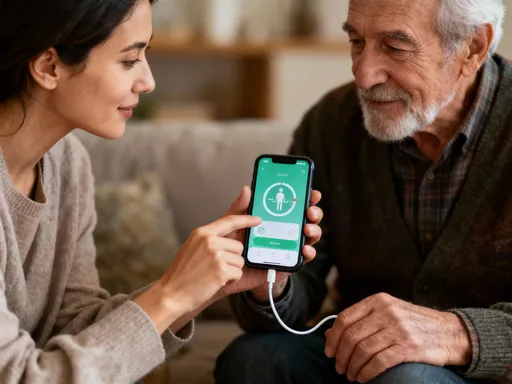
With my mom, we started with a simple app on her phone. It lets her tap a button to send a “I’m okay” message to me and my sister. If she forgets, we get a reminder. We practiced it together. “Let’s do a test,” I said. She tapped it. I got the message. “See? Easy.” She smiled. “I feel like I’m in a spy movie.”
The trick is to make it part of routine. Like brushing your teeth or locking the door. Test it once a month. Talk about it like it’s normal—because it is. You don’t need to know how the sensors work. You don’t need to understand GPS or accelerometers. You just need to know that it’s there, like a seatbelt—simple, silent, and there when you need it.
And if something doesn’t work? Call customer support. Ask a teen. Most of these tools are designed for real people, not engineers. The companies know their users are moms, daughters, caregivers—people who care more about love than code. So the setup is meant to be simple. The goal isn’t perfection. It’s peace.
It’s Not Just for Emergencies—It’s for Everyday Confidence
Here’s what surprised me: the biggest change wasn’t during a crisis. It was in the quiet moments in between. Knowing that help is reachable has given my family a kind of freedom I didn’t expect.
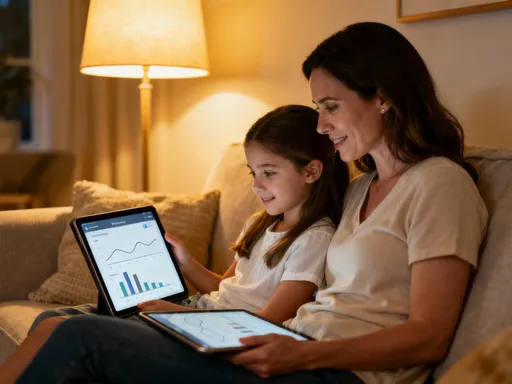
My daughter now walks to the library by herself. Before, I’d worry the whole time. Now, I know her watch shares her location, and she can message me with one tap. She feels braver. I feel calmer. It’s not that the world is safer. It’s that we’re more prepared.
My mom still lives in her own home. She gardens, hosts book club, takes the bus to the senior center. Before, I’d call every other day, partly to chat, partly to check. Now, our check-ins feel lighter. We talk about recipes or the weather, not just “Are you okay?” She feels more independent. I feel less guilty for living my life.
And for me? I sleep better. I’m less jumpy when the phone doesn’t ring. I can focus on my work, my hobbies, my relationships—without that low hum of worry in the background. It’s like the tech didn’t just protect my family. It gave me back my presence. I’m not bracing for disaster. I’m showing up for life.
This is the ripple effect of emergency tech. It’s not just about surviving a fall or finding someone lost. It’s about the way it changes how we live every day. It builds trust. It reduces guilt. It deepens connection. Because when we’re not afraid, we can love more fully.
Choosing What’s Right Without Getting Overwhelmed
I get it—walking into this world can feel like walking into a tech store with a thousand blinking screens. There are watches, apps, home sensors, voice assistants, medical alert systems. How do you choose? What if you pick wrong?
The truth is, you don’t need everything. You just need what fits your life. Start by asking one simple question: “What keeps me up at night?” Is it your teenager driving home late? Your dad forgetting to take his medicine? Your own fear of being alone if you get sick?
If it’s falls, look into a watch with fall detection. If it’s location, try a family sharing app. If it’s peace of mind for a loved one living alone, explore a simple check-in tool. Most of these services are free or low-cost. Many work with devices you already own.
Don’t get caught up in features. You don’t need the fanciest model. You don’t need every bell and whistle. You need something reliable, easy to use, and trusted by your family. Show it to your mom. Let your daughter try it. Make it a team decision.
And remember—it’s okay to start small. You don’t have to set up a full system in one day. Try one thing. Use it for a week. See how it feels. Adjust. Ask for help. This isn’t about being tech-savvy. It’s about being thoughtful. About saying, “I care, and I want to show it in a smart, gentle way.”
The Real Gift: More Than Safety—It’s Peace of Mind
At the end of the day, emergency tech isn’t about surviving the worst. It’s about living the best. It’s about reclaiming the quiet moments—the cup of tea in the morning, the laugh with a friend, the walk in the park—without the shadow of worry.
I used to think safety meant holding on tight. Now I know it means letting go—with confidence. Letting my daughter explore. Letting my mom live her life. Letting myself breathe. Because I know that if something happens, help won’t be far. And that changes everything.
This tech doesn’t shout. It doesn’t scare. It doesn’t make you feel like you’re living in a hospital or a prison. It just sits there, quiet and steady, like a hand on your shoulder saying, “I’ve got you.”
And in a world that often feels too fast, too loud, too uncertain, that quiet presence is everything. It’s not about fear. It’s about love. It’s not about control. It’s about care. And it’s given me something I didn’t know I could have—peace, not just in the crisis, but in the calm.
So if you’ve ever felt that skip in your heart when the phone doesn’t ring, I want you to know: you don’t have to carry that weight alone. There’s a softer way. A smarter way. A way that lets you love more deeply, live more freely, and rest more easily. Because real safety isn’t found in fear. It’s found in connection. And sometimes, a little quiet tech is all it takes to keep that connection strong.