Why Hair Thrives When You Optimize These 5 Daily Habits
Hair loss isn’t just about genetics—it’s often a signal from your body. I’ve seen countless clients overlook simple daily patterns that silently undermine hair health. When you treat hair loss as a symptom, not just a cosmetic issue, everything changes. Optimizing your body’s internal environment can make the difference between thinning strands and strong, resilient growth. This isn’t about quick fixes—it’s about sustainable, science-backed shifts that support your hair from the root. The health of your hair reflects the state of your overall well-being, shaped by the habits you repeat every day. By identifying and adjusting the lifestyle factors that influence follicle function, you create the conditions for lasting thickness and vitality. This article explores five key daily habits that, when optimized, can transform the way your hair grows and feels—naturally and safely.
The Hidden Stress-Hair Connection
Chronic stress is one of the most overlooked contributors to hair thinning, yet its impact is both measurable and reversible. When the body experiences prolonged psychological or physical stress, it triggers a cascade of hormonal responses, primarily involving cortisol—the so-called “stress hormone.” Elevated cortisol levels can disrupt the normal hair growth cycle, pushing more follicles into the resting phase, known as telogen. This condition, called telogen effluvium, often manifests three to six months after a stressful event, leading to noticeable shedding during showers or while brushing. Unlike permanent hair loss, telogen effluvium is typically temporary, but it can become chronic if the underlying stressors remain unaddressed.
The connection between stress and hair health goes beyond hormones. Chronic stress promotes systemic inflammation, which can impair the microenvironment around hair follicles. Inflammation may interfere with nutrient delivery, reduce oxygen supply, and hinder the signaling pathways necessary for growth. Moreover, stress often leads to behaviors that further compromise hair health—such as poor sleep, irregular eating patterns, and reduced physical activity—all of which compound the problem. This creates a cycle where stress damages hair, and hair loss in turn increases emotional distress, perpetuating the issue.
Addressing stress effectively requires more than occasional relaxation; it demands consistent, evidence-based strategies integrated into daily life. Mindfulness practices, such as focused breathing, meditation, or gentle yoga, have been shown in clinical studies to reduce cortisol levels and improve emotional regulation. These techniques do not require large time commitments—even ten minutes a day can yield measurable benefits over time. Equally important is establishing a regular sleep schedule, as sleep disruption amplifies stress responses and weakens the body’s ability to recover.
Breathwork, in particular, offers a simple yet powerful tool. Controlled breathing exercises activate the parasympathetic nervous system, which counteracts the fight-or-flight response and promotes calm. Techniques like box breathing—inhaling for four counts, holding for four, exhaling for four, and pausing for four—can be practiced anywhere and require no special equipment. Over time, these small interventions help regulate the nervous system, reducing the internal strain that manifests externally in hair loss. The key is consistency: treating stress management not as an occasional indulgence but as a non-negotiable part of daily self-care.
Nutrition: Building Blocks Your Hair Actually Uses
Hair is made primarily of keratin, a type of protein, and its growth depends on a steady supply of essential nutrients. When the body lacks key vitamins and minerals, hair often shows the first signs—becoming brittle, dull, or prone to shedding. Among the most critical nutrients for hair health are protein, iron, zinc, biotin, and vitamin D. Each plays a distinct role: protein provides the structural foundation, iron supports oxygen transport to follicles, zinc aids in cell division and repair, biotin contributes to keratin production, and vitamin D influences follicle cycling and activation.
Deficiencies in these nutrients can lead to specific changes in hair appearance and behavior. For example, low iron levels—especially in women of reproductive age—are strongly linked to diffuse hair thinning. Without sufficient iron, hair follicles may not receive enough oxygen to sustain active growth, leading to premature entry into the resting phase. Similarly, inadequate protein intake can cause hair to become fine and fragile, as the body prioritizes vital organs over non-essential tissues like hair during nutrient scarcity. Zinc deficiency may result in scalp inflammation and increased shedding, while low vitamin D has been associated with alopecia areata and slower regrowth.
The best way to ensure adequate nutrient intake is through a balanced, whole-foods-based diet. Eggs are an excellent source of high-quality protein, biotin, and selenium—all beneficial for hair. Spinach and other leafy greens provide iron, folate, and antioxidants that protect follicles from oxidative damage. Legumes such as lentils and chickpeas offer plant-based protein and zinc, making them valuable for vegetarians and omnivores alike. Nuts, particularly almonds and walnuts, contribute vitamin E, healthy fats, and trace minerals that support scalp circulation and reduce inflammation.
While supplements are widely marketed for hair growth, they should not be used without medical guidance. Excessive intake of certain nutrients, such as selenium or vitamin A, can actually contribute to hair loss. Self-diagnosing deficiencies based on symptoms alone is unreliable, as many conditions share similar presentations. A healthcare provider can order blood tests to assess nutrient levels and determine whether supplementation is necessary. For most people, however, a varied, nutrient-dense diet provides everything needed for healthy hair—without the risks associated with unregulated supplements.
Scalp Health: More Than Just Cleanliness
The scalp is not merely a surface for hair to grow from—it is a dynamic, living organ that requires care and attention. Like the skin on the rest of the body, the scalp contains sebaceous glands, blood vessels, nerve endings, and a microbiome composed of beneficial bacteria and fungi. When this ecosystem is balanced, hair follicles thrive. But when disrupted by harsh products, environmental stressors, or poor hygiene, the scalp can become either overly dry or excessively oily, both of which compromise hair health. Recognizing the scalp as an extension of your overall skin health is the first step toward more effective care.
Sebum, the natural oil produced by the scalp, plays a protective role by moisturizing hair and shielding it from environmental damage. However, too much sebum can clog follicles, while too little can lead to flakiness and irritation. Maintaining a healthy sebum balance depends on several factors, including genetics, hormone levels, and cleansing habits. Over-washing the hair can strip away natural oils, prompting the scalp to overcompensate by producing more sebum. Conversely, infrequent washing may allow buildup of oil, dead skin cells, and styling product residue, creating an environment conducive to inflammation and follicle miniaturization.
The pH of the scalp also influences its health. A slightly acidic environment—around pH 5.5—helps maintain the skin barrier and discourages the overgrowth of harmful microbes. Many commercial shampoos, especially those containing harsh sulfates, can disrupt this balance by making the scalp too alkaline. This can lead to increased sensitivity, itching, and dandruff. Opting for sulfate-free, pH-balanced cleansers can help preserve the scalp’s natural defenses and promote a more stable environment for hair growth.
Gentle exfoliation is another valuable practice for scalp maintenance. Just as facial skin benefits from periodic removal of dead cells, the scalp can accumulate debris that blocks follicles. Regular, mild exfoliation—using a soft brush, a scalp massage tool, or a non-abrasive scrub formulated for sensitive skin—can improve circulation and prevent clogging. However, aggressive scrubbing or overuse of exfoliants can damage the skin barrier and cause micro-tears, leading to irritation and potential infection. The goal is not to strip the scalp clean, but to support its natural renewal process without disruption.
Hormones and Hair: What Really Matters
Hormonal balance plays a central role in hair growth, particularly through the influence of androgens—sex hormones present in all individuals, regardless of gender. One androgen, dihydrotestosterone (DHT), is closely linked to pattern hair loss, also known as androgenetic alopecia. In genetically predisposed individuals, hair follicles on the scalp become sensitive to DHT, which gradually shrinks them over time. This process, called miniaturization, leads to progressively finer, shorter hairs until growth ceases in affected areas. While this condition is common, it is not inevitable—and understanding the contributing factors can empower proactive management.
It’s important to distinguish between normal hormonal fluctuations and pathological imbalances. Everyone experiences changes in hormone levels due to age, lifestyle, and metabolic health. However, certain conditions—such as polycystic ovary syndrome (PCOS), thyroid disorders, or insulin resistance—can accelerate hair loss by altering hormone production or sensitivity. For instance, insulin resistance, often associated with poor diet and sedentary habits, can increase androgen activity and exacerbate DHT-related follicle damage. Similarly, poor liver function may impair the body’s ability to metabolize and eliminate excess hormones, allowing them to accumulate and affect hair growth.
Lifestyle choices significantly influence hormonal health. High-quality sleep, for example, supports the regulation of cortisol, insulin, and sex hormones. Disrupted sleep patterns can elevate cortisol, which in turn affects androgen metabolism. Diet also plays a role: a diet high in refined carbohydrates and sugars can lead to blood sugar spikes, increasing insulin levels and potentially stimulating androgen production. On the other hand, a diet rich in fiber, healthy fats, and plant-based proteins can help stabilize hormones and reduce inflammation.
Physical activity further supports hormonal balance by improving insulin sensitivity and aiding liver detoxification pathways. However, the relationship between exercise and hormones is not linear—overtraining can increase oxidative stress and cortisol, counteracting potential benefits. Therefore, moderation and consistency are key. Because hormonal issues are complex and often interconnected, self-diagnosis and self-treatment are not recommended. Anyone experiencing unexplained hair loss should consult a healthcare provider for proper evaluation, which may include blood tests to assess hormone levels, thyroid function, and metabolic markers.
The Sleep-Hair Recovery Loop
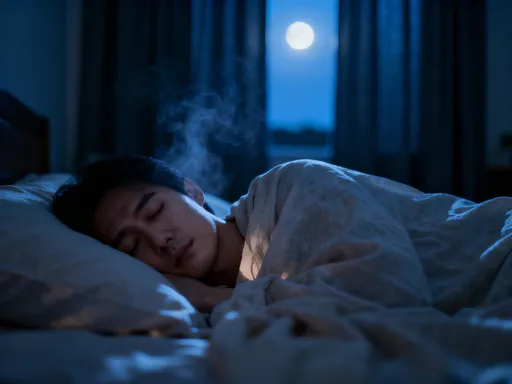
Sleep is a fundamental pillar of health, and its role in hair growth is both direct and profound. During deep sleep, particularly in the stages of slow-wave and REM sleep, the body undergoes essential repair processes at the cellular level. Hair follicles, which are among the fastest-growing tissues in the body, rely on this nightly regeneration period to rebuild and strengthen. Without sufficient restorative sleep, follicle cells may not complete their repair cycles, leading to weakened strands and increased shedding over time. This connection explains why periods of poor sleep often precede noticeable hair loss by several weeks or months.
Research supports the link between sleep quality and hair health. Studies have shown that individuals with chronic insomnia or irregular sleep patterns are more likely to experience telogen effluvium and other forms of non-scarring alopecia. Sleep deprivation increases oxidative stress and inflammatory markers in the body, both of which can impair follicle function. Additionally, disrupted circadian rhythms—often caused by late-night screen use or shift work—can interfere with hormone regulation, including the release of growth hormone and melatonin, both of which support hair growth.
Improving sleep hygiene is one of the most effective yet underutilized strategies for optimizing hair health. A consistent bedtime and wake-up time help regulate the body’s internal clock, making it easier to fall asleep and stay asleep. Reducing exposure to blue light from phones, tablets, and televisions at least one hour before bed can enhance melatonin production, promoting deeper sleep. Creating a cool, dark, and quiet sleeping environment also supports uninterrupted rest—ideal room temperatures for sleep range between 60 and 67 degrees Fahrenheit.
Establishing a pre-sleep routine can signal to the body that it’s time to wind down. This might include reading a book, taking a warm bath, or practicing gentle stretching. Avoiding caffeine and heavy meals in the evening prevents digestive discomfort and stimulant interference with sleep onset. While sleep may seem unrelated to hair at first glance, it is actually a cornerstone of biological recovery. By prioritizing sleep as a non-negotiable part of daily life, individuals create the internal conditions necessary for sustained hair growth and resilience.
Movement That Supports Hair Growth
Physical activity contributes to hair health in multiple, interconnected ways—primarily by enhancing blood circulation, reducing inflammation, and supporting metabolic balance. The scalp, like all tissues, depends on a steady supply of oxygen and nutrients delivered through the bloodstream. Exercise stimulates cardiac output and dilates blood vessels, improving microcirculation to the scalp and delivering vital nutrients to hair follicles. This increased blood flow also aids in the removal of metabolic waste products, creating a cleaner, more efficient environment for growth.
Not all forms of exercise are equally beneficial, however. Moderate, consistent activity—such as brisk walking, cycling, swimming, or resistance training—offers the most advantages without overburdening the body. These types of movement elevate heart rate just enough to boost circulation while minimizing the production of stress hormones. In contrast, excessive endurance training or high-intensity interval workouts, especially without adequate recovery, can increase oxidative stress and elevate cortisol, potentially counteracting the benefits. The goal is not to push the body to its limits, but to support its natural rhythms and repair mechanisms.
Yoga and other mind-body practices offer additional benefits by combining physical movement with stress reduction. Poses that increase blood flow to the head—such as downward dog or child’s pose—may provide mild circulatory benefits, while the meditative aspects help lower cortisol and improve sleep quality. Even simple daily habits, like taking the stairs or walking after meals, contribute to overall vascular health and insulin regulation—both of which are linked to reduced hair loss.
Insulin sensitivity, in particular, plays a behind-the-scenes role in hair health. Poor insulin function is associated with chronic inflammation and hormonal imbalances, both of which can accelerate follicle damage. Regular physical activity improves the body’s ability to use insulin efficiently, reducing systemic inflammation and stabilizing hormone levels. This creates a more favorable internal environment for hair growth, independent of topical treatments or supplements. The key is sustainability: choosing forms of movement that can be maintained long-term, rather than short-lived fitness trends or extreme regimens.
When to Seek Professional Help
While lifestyle changes can significantly improve hair health, they are not a substitute for medical evaluation when hair loss is sudden, severe, or accompanied by other symptoms. Certain red flags should prompt immediate consultation with a healthcare provider, particularly a dermatologist or trichologist—a specialist in hair and scalp disorders. These include rapid shedding (losing more than 100 hairs per day consistently), patchy bald spots, scalp redness or scaling, burning or itching sensations, or a family history of pattern hair loss. These signs may indicate underlying medical conditions such as alopecia areata, thyroid disease, autoimmune disorders, or nutrient deficiencies that require targeted treatment.
Early intervention is crucial. The longer hair loss goes unaddressed, the more difficult it becomes to reverse follicle miniaturization or prevent permanent thinning. A professional evaluation typically includes a detailed medical history, physical examination of the scalp, and possibly blood tests to check for hormonal imbalances, nutrient levels, or inflammatory markers. In some cases, a scalp biopsy may be recommended to determine the exact cause. With an accurate diagnosis, evidence-based treatments—such as topical minoxidil, prescription medications, or laser therapy—can be introduced at the right time and dosage.
It’s important to approach hair loss with both patience and realism. Results from lifestyle changes and medical treatments often take months to become visible, as hair grows slowly—about half an inch per month on average. Consistency is essential, and progress should be measured in small, cumulative improvements rather than overnight transformations. Self-management strategies are valuable as part of a comprehensive plan, but they work best when guided by professional insight and monitoring.
Finally, emotional support should not be overlooked. Hair loss can affect self-esteem and emotional well-being, especially for women, who may feel societal pressure to maintain a certain appearance. Speaking with a counselor or joining a support group can provide comfort and perspective. The journey to healthier hair is not just physical—it’s deeply personal. With the right combination of medical care, lifestyle optimization, and emotional resilience, it is possible to regain not only hair, but confidence as well.
Hair loss prevention isn’t about one magic solution—it’s the cumulative effect of daily choices. By viewing hair health as a reflection of overall wellness, you shift from reaction to prevention. Small, consistent adjustments in stress, nutrition, scalp care, hormones, sleep, and movement create an internal environment where hair can thrive. This holistic approach doesn’t promise miracles, but it delivers lasting results grounded in biology. True optimization starts not with what you put on your hair—but with how you live.