How Exercise Quietly Transformed My Postpartum Recovery Journey
After giving birth, I felt like my body no longer belonged to me. Fatigue, weakness, and emotional ups and downs were constant companions. I knew I needed to heal, not just physically but mentally. That’s when I started exploring gentle, intentional movement. What began as simple walks turned into a systematic routine that reshaped my recovery. This is how exercise, done right, became my quiet anchor in the postpartum storm — and how it could support yours, too.
The Hidden Struggle of Postpartum Recovery
For many women, the days and weeks following childbirth are marked by a profound sense of physical and emotional transformation. While the arrival of a newborn is often celebrated as a joyous milestone, the recovery process that follows can be quietly overwhelming. Common physical challenges include weakened pelvic floor muscles, diastasis recti — a separation of the abdominal muscles — lingering fatigue, and joint instability due to hormonal shifts. These changes are not only normal but expected, yet they are frequently minimized or misunderstood in both public conversation and personal expectations.
Emotionally, the postpartum period can bring mood fluctuations, anxiety, or a sense of detachment from one’s own body. The hormone levels that supported pregnancy drop rapidly after delivery, which can affect emotional regulation. Combined with sleep disruption and the demands of newborn care, many women find themselves navigating a landscape of exhaustion and uncertainty. Despite these realities, there is often societal pressure to “bounce back” quickly — to return to pre-pregnancy weight, resume intense workouts, or appear effortlessly composed. This pressure can create a disconnect between what women are experiencing and what they believe they should be feeling.
The truth is that postpartum recovery is not a race. It is a deeply individual process that unfolds over months, not days. Healing requires time, attention, and compassion. Movement, when introduced appropriately, becomes one of the most powerful tools in this journey. Rather than rushing toward an external ideal, the focus should shift toward restoration — reconnecting with the body, rebuilding strength from within, and honoring the profound changes that childbirth brings. This foundational understanding sets the stage for a recovery that is not only effective but sustainable.
Why Exercise Isn’t Just About “Getting Back” — It’s About Healing
One of the most persistent myths about postpartum exercise is that its primary purpose is to regain a pre-pregnancy figure. This misconception can lead women to prioritize appearance over health, often at the expense of their long-term well-being. In reality, the role of physical activity after childbirth is not about shrinking back into old jeans or achieving a certain look. It is about healing — repairing the physical systems that have been stretched, strained, and reshaped during pregnancy and delivery.
Controlled, intentional movement supports a range of physiological processes essential to recovery. For example, gentle exercise improves circulation, which helps deliver oxygen and nutrients to healing tissues. It also aids in the regulation of hormones such as cortisol and oxytocin, which influence mood and stress response. Over time, consistent activity can help stabilize sleep patterns, reduce inflammation, and support metabolic balance — all of which contribute to a stronger, more resilient body.
Equally important is the reconnection between mind and body. Many women report feeling disconnected from their physical selves after childbirth, as if their bodies have become vessels for someone else’s needs. Purposeful movement helps rebuild that connection. Whether it’s a mindful walk, a series of pelvic floor contractions, or a slow stretch, each action becomes a form of communication — a way of saying, “I am still here, and I matter.” This shift from aesthetic goals to functional recovery is not just healthier; it is more empowering. It reframes exercise not as a punishment or a performance, but as a form of self-care and self-respect.
The Science Behind Movement and Recovery
Modern medicine increasingly recognizes the critical role of physical activity in postpartum recovery. While rest is essential in the early weeks, prolonged inactivity can delay healing and increase the risk of complications such as blood clots, muscle atrophy, and prolonged fatigue. On the other hand, appropriate movement stimulates multiple systems in the body, creating a cascade of benefits that support both physical and mental health.
One of the most well-documented effects of exercise is its impact on mood. Physical activity triggers the release of endorphins — natural chemicals in the brain that promote feelings of well-being and reduce the perception of pain. This biochemical response can be especially valuable during the postpartum period, when hormonal fluctuations and sleep deprivation may heighten emotional sensitivity. Even mild exercise, such as a 15-minute walk, has been shown to improve mood and reduce symptoms of anxiety and low mood in new mothers.
Sleep quality is another area where movement plays a supportive role. Although it may seem counterintuitive, gentle physical activity during the day can help regulate the body’s circadian rhythm, making it easier to fall asleep and stay asleep at night. Improved sleep, in turn, enhances cognitive function, emotional regulation, and energy levels — all of which are crucial for navigating the demands of early motherhood.
From a structural standpoint, exercise is vital for restoring core and pelvic floor function. During pregnancy, the growing uterus places sustained pressure on the abdominal and pelvic muscles, often leading to weakness or separation. Targeted, low-impact movements help re-engage these muscles, improving stability, reducing discomfort, and lowering the risk of long-term issues such as incontinence or back pain. Medical professionals widely agree that a gradual return to movement, guided by individual readiness and proper technique, is one of the most effective ways to support a full and balanced recovery.
Building a Systematic Approach: The Four-Phase Framework
Recovery is not a one-size-fits-all process, but having a structured framework can provide clarity and confidence. A phased approach allows women to progress at a safe and sustainable pace, respecting the body’s need for healing while gradually rebuilding strength. The following four-phase model offers a practical roadmap for postpartum physical recovery, emphasizing medical guidance, individual variation, and mindful progression.
Phase 1 (0–6 weeks): Rest and Awareness
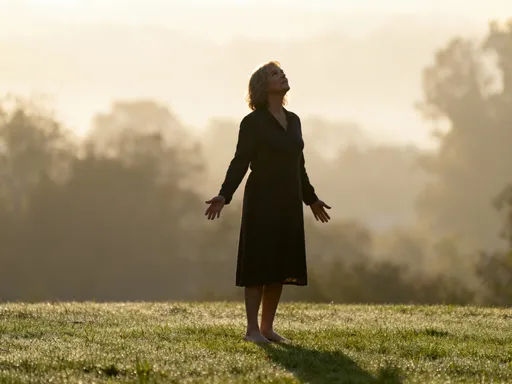
This initial phase is dedicated to healing and observation. The body is recovering from the physical demands of childbirth, whether vaginal or cesarean. The focus should be on rest, nourishment, and gentle awareness. Recommended activities include deep breathing exercises, pelvic floor contractions (often called Kegels), and short walks around the house or yard. These movements are not meant to be strenuous but to encourage circulation and mindfulness. It is essential to listen to the body and avoid any activity that causes pain or discomfort. Medical clearance is typically required before advancing to the next phase, usually obtained at the six-week postpartum checkup.
Phase 2 (6–12 weeks): Gentle Activation
Once cleared by a healthcare provider, women can begin to introduce more structured movement. This phase emphasizes reconnection with the core and pelvic floor. Activities may include postpartum-safe yoga, gentle stretching, and basic bodyweight exercises such as seated marches or standing leg lifts. The goal is not to build strength rapidly but to re-establish neuromuscular control — the ability to engage the right muscles at the right time. Proper form is more important than intensity. Many women benefit from working with a physical therapist or certified postpartum fitness specialist during this stage to ensure correct technique.
Phase 3 (3–6 months): Rebuilding Strength
By this point, most women are ready to gradually increase the intensity and duration of their workouts. The focus shifts to rebuilding overall strength, with particular attention to the core, back, and pelvic floor. Exercises such as modified planks, bridges, and resistance band work can be introduced. Low-impact cardio, such as walking, swimming, or stationary cycling, supports cardiovascular health without placing excessive strain on the joints. It is still important to avoid high-impact activities like running or jumping unless cleared by a professional, especially if diastasis recti or pelvic floor weakness is present.
Phase 4 (6+ months): Sustainable Fitness
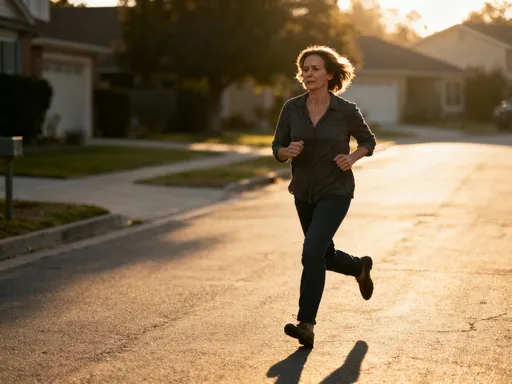
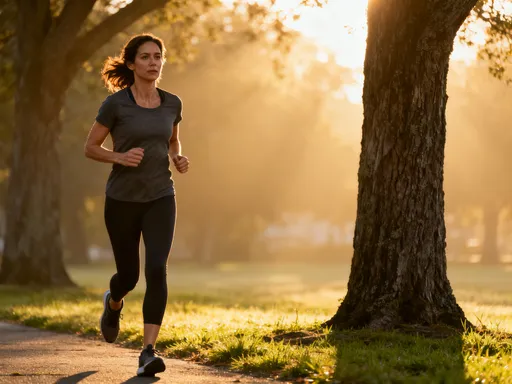
This final phase is about integration and longevity. The goal is no longer recovery in the strictest sense, but the establishment of a consistent, enjoyable fitness routine that supports long-term health. Women may return to their preferred forms of exercise, whether that’s strength training, group classes, or outdoor activities. The key is sustainability — choosing activities that fit into daily life and bring a sense of accomplishment and joy. Even as fitness levels improve, the lessons of the earlier phases remain relevant: listen to your body, prioritize form, and honor the unique journey of postpartum healing.
What Real Progress Looks Like — And How to Track It
In a culture that often measures success by the number on a scale or the tightness of clothing, it can be difficult to recognize the true signs of postpartum recovery. Yet real progress is rarely visible in the mirror. Instead, it is felt in the body and experienced in daily life. Improved energy levels, better posture, reduced back or pelvic discomfort, and increased stamina during routine tasks — these are the markers of meaningful recovery.
One of the most empowering ways to track progress is through functional self-assessments. For example, can you lift your baby without feeling strain in your lower back? Can you walk up a flight of stairs without becoming winded? Do you notice greater control when coughing or sneezing — a sign of improved pelvic floor strength? These small but significant changes reflect real improvements in strength, endurance, and coordination.
Breathing is another powerful indicator. Many women discover that after pregnancy, their breathing pattern has shifted — becoming shallow or chest-dominant. Relearning diaphragmatic breathing, where the breath expands the belly rather than the chest, supports core engagement and reduces tension. Practicing this during quiet moments or while doing gentle movement can enhance both physical and mental relaxation.
Patience is essential. Progress in postpartum recovery is rarely linear. There will be days of fatigue, setbacks due to illness or sleep disruption, and moments of doubt. Rather than measuring success by speed or intensity, it is more helpful to observe patterns over time. Keeping a simple journal — noting energy levels, mood, and physical sensations — can provide valuable insight into what is working and what may need adjustment. This mindful approach fosters self-awareness and reduces the pressure to meet unrealistic standards.
Common Pitfalls and How to Avoid Them
Despite the best intentions, many women encounter challenges when returning to exercise after childbirth. One of the most common pitfalls is returning too quickly to high-intensity workouts. The desire to regain fitness or lose weight can lead some to jump into running, heavy lifting, or intense classes before the body is ready. This can increase the risk of injury, worsen diastasis recti, or exacerbate pelvic floor dysfunction. The body needs time to rebuild its foundation — and rushing the process can undo progress rather than accelerate it.
Another risk is ignoring pain or discomfort as a signal. Some women may dismiss pelvic pressure, lower back pain, or urinary leakage as “normal” postpartum symptoms. While these issues are common, they are not inevitable. Persistent pain or dysfunction should be addressed with a healthcare provider or pelvic floor therapist. Continuing to exercise through pain can reinforce poor movement patterns and lead to long-term complications.
Improper form is another frequent issue, especially when exercising at home without guidance. Movements that seem simple — such as squats or planks — can place undue stress on vulnerable areas if performed incorrectly. Taking the time to learn proper technique, possibly with the help of a qualified instructor, is an investment in long-term health.
Finally, comparison can be a silent obstacle. Scrolling through social media and seeing other mothers running marathons or lifting weights weeks after delivery can create feelings of inadequacy. But every body is different. Recovery timelines vary based on genetics, birth experience, support systems, and overall health. What matters most is not how fast someone else is progressing, but how well you are listening to your own body. Consistency, not intensity, is the true measure of success. Showing up gently, regularly, and with intention will yield far greater results than sporadic bursts of effort.
Making It Last: Turning Recovery Into a Lifestyle
The ultimate goal of postpartum exercise is not to return to who you were before pregnancy, but to evolve into a stronger, more resilient version of yourself. As the initial recovery phase transitions into long-term wellness, the habits formed during these months can become enduring parts of daily life. Movement no longer needs to be a separate event — something squeezed into a busy schedule — but can be woven into the fabric of motherhood.
Simple strategies can make this integration seamless. Stroller walks become both exercise and bonding time. Home workouts can be done while the baby naps, using bodyweight exercises or resistance bands that require minimal space. Mindfulness practices, such as gentle stretching or breathing exercises, can be incorporated into moments of quiet — even during late-night feedings. Over time, these small actions accumulate into a lifestyle of sustained well-being.
Perhaps the most important shift is in mindset. Caring for oneself is not a luxury or an act of selfishness — it is a necessity. A mother who feels strong, energized, and grounded is better equipped to care for her family. By prioritizing her own health, she models self-respect and balance for her children. This is not about perfection, but about presence — showing up for yourself so you can show up fully for others.
As the months pass, the postpartum journey becomes less about recovery and more about renewal. The body may carry the marks of motherhood — softer curves, a changed center of gravity, perhaps a scar — but these are not flaws. They are testaments to strength, resilience, and transformation. Exercise, when approached with patience and purpose, becomes more than a physical practice. It becomes a quiet commitment to healing, a daily affirmation of worth, and a gentle way of saying: I am still here, and I am growing, too.