Glow Up from the Inside: How My Daily Food Combos Transformed My Skin
You know that radiant, healthy glow some people seem to have naturally? I didn’t think it was possible for me—until I stopped chasing fancy skincare and started paying attention to what I was actually eating. Turns out, clear, vibrant skin isn’t just about creams and serums. What I discovered surprised me: simple daily dietary combinations made a bigger difference than any expensive face mask. This is how real change began—through my plate. It wasn’t an overnight transformation, nor did it involve extreme diets or unpronounceable supplements. Instead, it was rooted in small, consistent choices that supported my body from within. And the results weren’t just visible—they were lasting.
The Skin Struggles I Couldn’t Ignore
For years, my skin felt like a constant puzzle with missing pieces. No matter how carefully I layered on serums or how diligently I removed my makeup, my complexion remained uneven. Dullness clung to my face like a stubborn shadow, and occasional breakouts flared up without warning. I tried everything—over-the-counter acne treatments, fragrance-free moisturizers, even rotating products every few weeks in hopes that something would finally stick. I invested in jade rollers, silk pillowcases, and high-end cleansers, believing that external solutions would eventually deliver the clarity I craved.
Yet the improvements were fleeting. A few days of smoother texture would give way to renewed dryness or redness. I began to wonder if my genetics were simply working against me. Then, during a routine visit with my general practitioner, I casually mentioned my ongoing skin concerns. She didn’t recommend a new cream—instead, she asked about my diet. That simple question shifted my entire perspective. She explained that skin is an organ, just like the heart or liver, and its health is deeply tied to what we feed our bodies. It was the first time I considered that my plate might be more powerful than my skincare shelf.
That conversation planted a seed. I started reading about the connection between nutrition and skin health, particularly the role of inflammation, gut balance, and nutrient absorption. I learned that many common skin issues—acne, rosacea, premature aging—are often linked to internal imbalances rather than surface-level dirt or oil. My frustration began to shift into curiosity. If poor food choices could contribute to skin problems, then could better ones actually reverse them? The idea felt empowering. For the first time, I saw a path forward that wasn’t about masking symptoms, but about addressing root causes.
Why Food Matters More Than You Think for Skin Health
Skin is the body’s largest organ, and it serves as a visible indicator of internal well-being. When we experience stress, dehydration, or nutrient deficiencies, the effects often show up first on our face. While topical products can offer temporary improvements, they don’t address the underlying processes that drive skin cell renewal, collagen production, and inflammation control. These functions rely heavily on the nutrients we consume every day.
For example, antioxidants like vitamin C and E neutralize free radicals—unstable molecules that damage skin cells and accelerate aging. Without enough of these protective compounds, the skin becomes more vulnerable to environmental stressors like UV exposure and pollution. Similarly, omega-3 fatty acids, found in foods like fatty fish and flaxseeds, help maintain the skin’s lipid barrier, keeping it hydrated and resilient. A compromised barrier leads to dryness, sensitivity, and increased reactivity to irritants.
On the flip side, diets high in refined sugars, processed carbohydrates, and unhealthy fats can trigger systemic inflammation. This internal inflammation has been linked to acne flare-ups and accelerated wrinkle formation. Research published in journals such as The American Journal of Clinical Nutrition has shown that high-glycemic diets—those rich in white bread, pastries, and sugary drinks—can increase insulin levels, which in turn stimulate oil production and clog pores. It’s not that one cookie will ruin your complexion, but consistent patterns matter.
Hydration also plays a crucial role. While drinking water alone won’t erase fine lines, chronic dehydration can make skin appear flat and tired. Water supports cellular function, nutrient transport, and detoxification—all essential for a healthy glow. The takeaway? Skincare doesn’t stop at the surface. True radiance comes from nourishing the body with foods that support its natural repair and renewal systems. It’s not about restriction, but about inclusion—adding in what your skin truly needs.
The Power of Pairing: Why Combinations Beat Single Superfoods
Early in my journey, I fell into the trap of chasing individual “superfoods.” I’d buy chia seeds because they were rich in omega-3s, stock up on blueberries for their antioxidants, and sprinkle turmeric on everything for its anti-inflammatory properties. While these foods are beneficial, I soon realized that eating them in isolation wasn’t delivering the results I expected. The missing link? Synergy.
Nutrients don’t work in a vacuum. Many vitamins and minerals enhance each other’s absorption and effectiveness when consumed together. For instance, vitamin C dramatically improves the body’s ability to absorb non-heme iron—the type found in plant-based foods like lentils, spinach, and tofu. Without sufficient vitamin C, much of that iron passes through the body unused. This is why pairing a spinach salad with lemon juice or bell peppers can make a real difference in iron status, which in turn supports healthy oxygen delivery to skin cells.
Likewise, fat-soluble vitamins—A, D, E, and K—require dietary fat to be properly absorbed. Vitamin A, essential for skin cell turnover, is abundant in sweet potatoes and carrots, but without a source of fat, the body struggles to utilize it. Adding a drizzle of olive oil or a few avocado slices to a vegetable dish can significantly boost nutrient uptake. This principle applies across the board: nutrients are team players, not solo performers.
Understanding this changed how I approached meals. Instead of focusing on single ingredients, I began building plates that combined complementary nutrients. I stopped asking, “What’s the healthiest food I can eat?” and started asking, “How can I pair foods to maximize their benefits?” This shift wasn’t about complexity—it was about intention. And over time, those intentional pairings began to show up on my skin in the form of increased clarity, even tone, and a natural luminosity I hadn’t seen in years.
My Go-To Skin-Boosting Food Combos (And Why They Work)
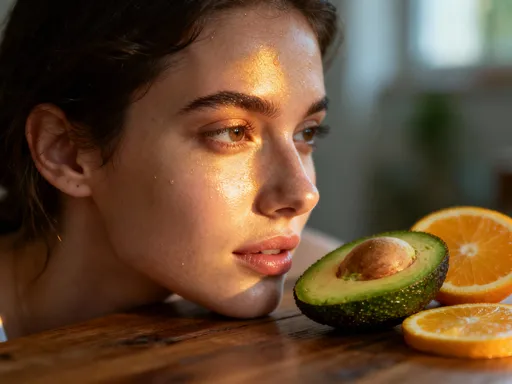
My daily eating routine evolved gradually, with small tweaks that added up over time. One of my earliest and most effective changes was adding sliced avocado to my morning spinach and kale smoothie. The leafy greens are rich in vitamin K, which supports skin healing and reduces dark circles, while the healthy monounsaturated fats in avocado help the body absorb fat-soluble vitamins. The result? A creamy, satisfying drink that kept me full and visibly improved my skin’s texture within weeks.
Another simple but powerful combination was mixing ground flaxseed into plain Greek yogurt. Flaxseeds are one of the richest plant sources of omega-3 fatty acids, which help reduce inflammation and strengthen the skin barrier. Greek yogurt provides high-quality protein and probiotics, which support gut health—an increasingly recognized factor in skin clarity. I’d top it with a few walnuts for extra crunch and additional omega-3s, and a sprinkle of cinnamon for its antioxidant properties. This breakfast became a non-negotiable part of my routine, not because it was trendy, but because I could see and feel the difference.
Lunch often featured lentil soup or stew paired with roasted bell peppers. Lentils are an excellent source of plant-based iron and zinc, both of which play roles in wound healing and skin repair. Bell peppers, especially the red and yellow varieties, are packed with vitamin C—far more than oranges. By eating them together, I enhanced iron absorption while delivering a double dose of skin-protective nutrients. I’d finish the meal with a slice of whole grain bread drizzled with olive oil, further supporting vitamin absorption and adding sustained energy.
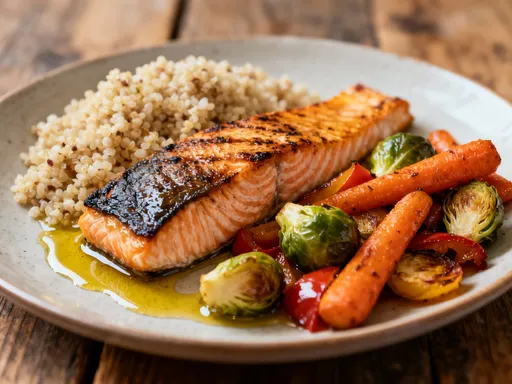
Dinner rotations included grilled salmon with roasted sweet potatoes and broccoli. Salmon provides EPA and DHA, the most bioavailable forms of omega-3s, which help maintain skin elasticity and reduce redness. Sweet potatoes offer beta-carotene, the precursor to vitamin A, which supports cell turnover. Broccoli contributes sulforaphane, a compound studied for its protective effects against UV damage. This meal wasn’t just delicious—it was a strategic blend of nutrients working in harmony.
Even snacks became purposeful. Instead of reaching for chips or cookies, I’d enjoy apple slices with almond butter, combining fiber, antioxidants, and healthy fats. Or I’d have a small handful of pumpkin seeds with dried apricots—zinc and iron meeting vitamin C for optimal absorption. These combinations weren’t restrictive or complicated. They were practical, affordable, and sustainable—exactly what long-term skin health requires.
What Science Says About Diet and Skin Appearance
My personal experience wasn’t just anecdotal—research supports the connection between diet and skin health. A growing body of evidence suggests that what we eat directly influences skin aging, hydration, and inflammatory conditions like acne. One landmark study published in The Journal of the American Academy of Dermatology found that individuals who followed a Mediterranean-style diet—rich in fruits, vegetables, whole grains, legumes, nuts, olive oil, and fish—had fewer signs of skin aging, including reduced wrinkles and improved elasticity.
Another study in Clinical, Cosmetic and Investigational Dermatology showed that higher intakes of vegetables, olive oil, and fish were associated with a lower risk of adult acne, while diets high in dairy and refined sugars were linked to increased breakouts. While dairy doesn’t affect everyone the same way, the pattern suggests that foods influencing insulin and hormone levels may play a role in skin clarity for some individuals.
The gut-skin axis is another area of active research. The gut microbiome—the trillions of bacteria living in the digestive tract—plays a key role in regulating inflammation and immune response. When the gut is imbalanced, it can lead to increased intestinal permeability (“leaky gut”), which may trigger systemic inflammation and manifest as skin issues. Probiotic-rich foods like yogurt, kefir, sauerkraut, and kimchi have been shown to support a healthy microbiome, potentially improving conditions like eczema and acne.
It’s important to note that diet is not a cure-all. Severe skin conditions such as cystic acne, psoriasis, or rosacea often require medical treatment. However, nutrition can serve as a powerful complementary approach. Rather than viewing food as a quick fix, it’s more accurate to see it as a foundational support system—one that enhances the effectiveness of other treatments and promotes long-term resilience.
Simple Swaps for Real Life (No Extremes Needed)
One of the biggest misconceptions about improving skin through diet is that it requires drastic changes. I believed that too, at first. I thought I’d have to give up all my favorite foods, count every calorie, or follow a rigid meal plan. But what I learned is that sustainability beats perfection. Lasting change comes not from extreme restrictions, but from consistent, realistic choices that fit into real life.
My approach was built on simple swaps. Instead of drinking soda with lunch, I switched to herbal iced tea with a slice of lemon. The lemon added a boost of vitamin C, while eliminating the blood sugar spikes caused by sugary drinks. I replaced my morning pastry with whole grain toast topped with natural almond butter and a few banana slices. The complex carbohydrates provided steady energy, while the healthy fats and fiber kept me full longer.
I also began seasoning my meals more intentionally. Turmeric, a spice with curcumin as its active compound, has been studied for its anti-inflammatory properties. I started adding it to soups, stir-fries, and even scrambled eggs. To enhance absorption, I always paired it with a pinch of black pepper and a source of fat—like olive oil or coconut milk. These small additions didn’t change the flavor dramatically, but they added significant nutritional value.
Another easy change was choosing water as my primary beverage. I kept a glass pitcher on my counter with cucumber, lemon, and mint—making hydration appealing and effortless. I also limited alcohol, which can dehydrate the skin and trigger inflammation in some people. These weren’t rules carved in stone, but gentle guidelines that respected my lifestyle and preferences. Progress wasn’t linear, but over time, the cumulative effect was undeniable.
Building a Skin-Healthy Lifestyle Beyond the Plate
Nutrition was the cornerstone, but I soon realized it wasn’t the only piece of the puzzle. Skin thrives when supported by a holistic approach that includes sleep, movement, and emotional well-being. I began prioritizing seven to eight hours of sleep each night, knowing that cellular repair peaks during deep rest. Lack of sleep increases cortisol, a stress hormone that can worsen inflammation and break down collagen.
I also incorporated daily movement—nothing extreme, just 30-minute walks, gentle yoga, or stretching. Exercise improves circulation, delivering oxygen and nutrients to the skin more efficiently. It also helps manage stress, which can otherwise manifest as breakouts or dullness. I didn’t aim for intense workouts; consistency mattered more than intensity.
Stress management became another focus. Chronic stress disrupts hormone balance and weakens the skin barrier. I started practicing mindfulness—five minutes of deep breathing in the morning, journaling before bed, or simply stepping outside to feel the sun on my face. These moments of pause didn’t eliminate stress, but they helped me respond to it more calmly.
Skincare didn’t disappear from my routine, but its role changed. I still cleansed, moisturized, and used sunscreen daily—but now, these practices felt like the finishing touches, not the foundation. My internal care was doing the heavy lifting. The glow I once chased with highlighter was now coming from within, steady and authentic.
Small Bites, Big Results
Transforming my skin didn’t require miracles—just mindful choices. By focusing on simple, science-backed food combinations, I gave my body the tools it needed to thrive. This wasn’t about perfection. It was about progress, patience, and treating your skin like a reflection of your whole self. You don’t need a complete overhaul—just a few smart, doable changes. Start where you are. Your glow is already on your plate.