How I Finally Took Control of My Weight—And Found Real Energy
For years, I struggled with feeling sluggish, unmotivated, and stuck in a cycle of quick fixes that never lasted. Obesity wasn’t just about the number on the scale—it affected my confidence, mood, and daily life. But after learning to make small, science-backed changes, everything shifted. I didn’t chase miracles, just progress. This isn’t a medical cure, but a real journey of health enhancement. If you're tired of feeling defeated, what worked for me might help you too—always alongside professional guidance.
The Hidden Cost of Living with Obesity
Obesity is often misunderstood as a matter of appearance or personal discipline, but its impact reaches far beyond the mirror. For many women in their 30s, 40s, and 50s, carrying excess weight becomes a daily burden that affects nearly every aspect of life. Fatigue is one of the most common complaints—waking up already feeling drained, struggling to keep energy through the afternoon, and relying on caffeine or sugary snacks for temporary boosts. This constant exhaustion isn’t just inconvenient; it can interfere with parenting, work, and personal relationships.
Physical discomfort often accompanies this fatigue. Joint pain, especially in the knees and hips, can make walking up stairs or playing with grandchildren a challenge. Backaches and difficulty sleeping due to breathing disruptions, such as those linked to sleep apnea, further diminish quality of life. These symptoms aren’t just side effects—they are warning signs that the body is under strain. The heart must work harder, blood pressure may rise, and the risk of developing type 2 diabetes increases significantly.
Equally important are the emotional and psychological effects. Many women report feeling invisible or judged, even in everyday interactions. Low self-esteem can lead to social withdrawal, missed opportunities, and a sense of isolation. The cycle becomes self-reinforcing: low energy leads to less movement, which leads to weight gain, which deepens feelings of discouragement. Recognizing this pattern is the first step toward breaking it—not through shame, but through compassion and understanding.
It’s crucial to emphasize that obesity is not a failure of willpower. Research shows that body weight is influenced by a complex mix of genetics, hormones, environment, and lifestyle. Blaming oneself only adds emotional weight to physical strain. The real solution lies not in harsh restrictions or self-criticism, but in sustainable, science-supported changes that respect the body’s needs. When approached with patience and professional support, managing weight becomes less about punishment and more about healing and renewal.
Why Most Quick Fixes Fail (And What Actually Works)
The promise of rapid weight loss is everywhere—in magazines, on social media, and in conversations among friends. Diets that claim to melt away pounds in weeks are tempting, especially when motivation is high. Yet, for most people, these quick fixes lead not to lasting change, but to a frustrating cycle of loss and regain. This pattern, often called yo-yo dieting, can actually make long-term weight management more difficult. Each round of severe restriction may slow metabolism, as the body adapts to conserve energy, making it easier to regain weight once normal eating resumes.
Metabolic adaptation is a natural survival mechanism. When calorie intake drops sharply, the body responds by burning fewer calories at rest. Hormones like leptin, which regulate hunger and fullness, become disrupted. This biological response is not a flaw—it’s a protective function. However, in the context of modern life, where food is abundant and movement is limited, this adaptation can work against weight loss efforts. Combined with the psychological toll of constant deprivation, it’s no wonder so many people abandon their plans within weeks.
Another reason crash diets fail is their lack of sustainability. Eliminating entire food groups, skipping meals, or following rigid rules may produce short-term results, but they are difficult to maintain over time. The moment life gets busy—children get sick, work demands increase, or holidays arrive—these strict regimens often collapse. What follows is not failure, but a predictable outcome of an unrealistic plan. The disappointment can lead to feelings of guilt and defeat, making it harder to try again.
What works instead is consistency, not intensity. Studies consistently show that gradual, moderate changes are more effective for long-term success. Losing just 1 to 2 pounds per week may seem slow, but it allows the body and mind to adjust. Small habits—like drinking more water, eating an extra serving of vegetables, or taking a daily walk—add up over time. These changes don’t require perfection, only persistence. Unlike fad diets, they can be maintained through life’s ups and downs, becoming a natural part of daily routine.
Mindset Shift: From Weight Loss to Health Gain
One of the most transformative moments in my journey was shifting my focus from weight loss to health gain. Instead of obsessing over the scale, I began paying attention to how I felt. Did I have more energy in the morning? Could I walk up a flight of stairs without stopping? Was I sleeping more deeply? These non-scale victories became powerful motivators. They reminded me that health is not just a number—it’s a lived experience.
This mindset change is supported by behavioral science. When people tie their motivation to immediate, tangible benefits—like improved mood, better digestion, or increased stamina—they are more likely to stick with healthy habits. Weight loss can be slow and unpredictable, but energy levels and mobility often improve within weeks of making positive changes. These early wins build confidence and reinforce the value of effort, even when the scale doesn’t budge.
Another benefit of focusing on health is reduced emotional pressure. The scale can fluctuate for many reasons—water retention, hormonal changes, muscle gain—none of which reflect true progress. By measuring success in other ways, such as clothing fit, daily comfort, or mental clarity, the journey becomes less stressful and more sustainable. One woman shared that her turning point came when she could kneel down to help her granddaughter build a puzzle without pain. Another noticed she no longer needed afternoon naps to get through the day.
Reframing the goal also helps protect against all-or-nothing thinking. If the objective is simply to be healthier, then a missed workout or an indulgent meal doesn’t mean failure. It’s just one moment in a longer journey. This flexibility reduces guilt and promotes self-compassion, both of which are essential for long-term success. Health is not a destination—it’s a daily practice of making choices that support well-being.
Small Changes, Big Impact: My Daily Habits That Stuck
The most effective changes I made were also the simplest. I didn’t overhaul my life overnight. Instead, I focused on small, repeatable actions that fit into my routine. One of the first was mindful eating—paying attention to hunger and fullness cues, eating slowly, and savoring each bite. This didn’t require a new diet, just awareness. Over time, I noticed I felt satisfied with smaller portions and made better food choices without feeling deprived.
Hydration became another cornerstone. I started carrying a reusable water bottle and set a goal of drinking half my body weight in ounces each day. At first, it was hard to remember, but I linked it to daily habits—drinking a glass when I woke up, before each meal, and after my walk. Proper hydration reduced afternoon fatigue and curbed unnecessary snacking, as thirst is often mistaken for hunger.
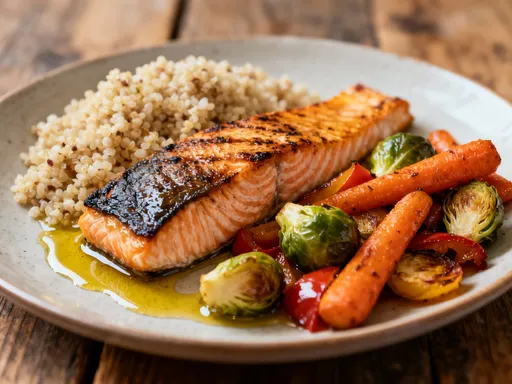
Portion awareness made a significant difference without requiring drastic cuts. I began using smaller plates and bowls, which naturally reduced serving sizes. I also learned to balance my plate—filling half with vegetables, a quarter with lean protein, and a quarter with whole grains. This simple visual guide made meal planning easier and ensured I got the nutrients I needed to stay full and energized.
Physical activity didn’t mean intense gym sessions. I replaced the idea of “exercise” with “movement.” A 20-minute walk after dinner became a non-negotiable part of my evening. I parked farther from store entrances, took the stairs when possible, and danced while cooking. These small efforts added up, improving circulation, boosting mood, and supporting metabolism. The key was consistency, not intensity. Over time, movement became something I looked forward to, not something I dreaded.
Food Is Fuel—Not the Enemy
One of the most liberating realizations was that food is not the enemy. For years, I had labeled certain foods as “bad” and felt guilty for eating them. This black-and-white thinking created stress and often led to bingeing. When I shifted to viewing food as fuel, my relationship with eating transformed. The goal was no longer to restrict, but to nourish.
A balanced diet became the foundation. I focused on whole grains like brown rice and oats, which provide steady energy. Lean proteins such as chicken, fish, beans, and tofu helped maintain muscle and promote satiety. Healthy fats from avocados, nuts, and olive oil supported brain function and hormone balance. Fiber-rich vegetables and fruits improved digestion and helped regulate blood sugar. These foods weren’t just healthy—they were satisfying and delicious.
Emotional eating was a challenge I faced with honesty and kindness. There were days when stress, boredom, or sadness led me to the kitchen. Instead of judging myself, I began to ask, “What do I really need right now?” Sometimes, the answer was a hug, a phone call with a friend, or a few minutes of deep breathing. I learned to respond to emotions without using food as a crutch, while still allowing room for occasional treats without guilt.
Simple meal strategies made healthy eating manageable. I started batch-cooking grains and proteins on weekends, so weekday meals came together quickly. I kept healthy snacks—like apple slices with almond butter or Greek yogurt with berries—readily available. Planning ahead reduced last-minute decisions that often led to less healthy choices. Over time, eating well became less of a chore and more of a habit, like brushing my teeth or drinking water.
The Role of Support and Professional Guidance
No one should have to navigate weight management alone. One of the most important steps I took was seeking professional guidance. I scheduled a check-up with my doctor to discuss my goals and rule out any underlying health issues, such as thyroid imbalances or insulin resistance. This conversation was not about judgment—it was about partnership. My doctor helped me set realistic targets and monitored my progress over time.
I also consulted a registered dietitian, who provided personalized advice based on my lifestyle, preferences, and health history. Unlike generic diet plans, her recommendations were tailored and practical. She helped me understand portion sizes, read nutrition labels, and make substitutions that fit my taste. Having expert support made me feel confident that I was making safe, effective choices.
Emotional support was equally valuable. I joined a local wellness group where women shared their experiences, challenges, and successes. Hearing others’ stories reminded me I wasn’t alone. We exchanged recipes, walking routes, and encouragement. Some weeks were harder than others, but knowing others were on the same path made a difference. Even sharing progress with family—like cooking a new healthy recipe together—strengthened connections and built accountability.
Professional care is not a luxury—it’s a necessity. Weight management involves physical, emotional, and behavioral components that benefit from expert input. Whether through medical check-ups, nutrition counseling, or mental health support, seeking help is a sign of strength, not weakness. These resources don’t replace personal effort, but they make the journey safer, more informed, and more sustainable.
Building a Life That Supports Your Health
Lasting change happens when healthy habits become part of daily life, not temporary fixes. I learned that true success isn’t measured by a single achievement, but by the ability to maintain progress over time. This requires more than willpower—it requires a lifestyle that supports well-being. Sleep, stress management, and consistency are often overlooked, yet they are silent game-changers.
Sleep is foundational. Poor sleep disrupts hormones that regulate hunger, increasing cravings for sugar and fat. It also lowers energy, making it harder to stay active. I prioritized a consistent bedtime, created a calming evening routine, and limited screen time before bed. Within weeks, I noticed I had more energy and made better food choices during the day.
Stress management was another key. Chronic stress raises cortisol levels, which can promote fat storage, especially around the abdomen. I began incorporating simple practices like deep breathing, journaling, and short walks into my day. These moments of pause helped me respond to challenges with clarity, rather than reacting with food or fatigue. Over time, I became more resilient and less reactive to daily pressures.
Consistency, not perfection, became my guiding principle. I accepted that some days would be better than others. The goal was not to be perfect, but to return to healthy habits as soon as possible. Each choice—drinking water, choosing a salad, taking a walk—was a step forward. Over months and years, these steps added up to a new way of living. Health became less of a project and more of a natural rhythm.
Looking back, the journey wasn’t about losing weight—it was about gaining life. More energy, better sleep, stronger joints, clearer thinking—these are the real rewards. The scale may fluctuate, but how I feel every day is what matters most. This shift in perspective transformed not just my body, but my entire outlook.
Every woman’s journey is unique, but the principles remain the same: small changes, consistent effort, professional support, and self-compassion. There is no single solution, no magic pill. But there is hope. Real, lasting change is possible—not through extreme measures, but through daily choices that honor your health. With the right mindset and support, you can take control of your well-being and rediscover the energy and joy that may have felt out of reach. This isn’t about perfection. It’s about progress—one step, one meal, one breath at a time.